Temporary facilities are often built fast, but speed without control is how camps fail inspections and offices open with faulty power or leaking roofs. A clear TCF method statement, supported by an inspection and test plan (ITP) and disciplined quality records, is what lets the client, consultant and authorities accept the facility with confidence. This guide explains what each document should contain, how inspection and test points are set for every TCF package, which records to keep, and what a complete handover dossier looks like on Saudi projects.
Method Statement, ITP and Quality Plan: How They Fit Together
The three documents answer different questions and should be read together.
- Quality plan: the project-level document that explains how quality is managed, who is responsible, how documents and non-conformances are controlled and which procedures apply.
- Method statement: a step-by-step description of how a specific activity will be carried out safely and correctly, such as installing porta cabins or testing a water network.
- Inspection and test plan: a table listing each inspection or test for that activity, the acceptance criteria, the responsible party and whether the client or consultant must witness it or must approve before work continues.
On most projects in the Kingdom, the consultant reviews and approves these documents before the related work starts. Submitting them early, together with the design described in our article on TCF design and engineering drawings, avoids waiting on site for approvals.
What a Good TCF Method Statement Contains
A useful method statement is specific to the site and the activity, not a generic template. It should cover:
- Scope and purpose: exactly which works the document covers and which it does not.
- References: approved drawings, specifications, owner standards and applicable codes such as the Saudi Building Code, cited by name.
- Responsibilities: project manager, site engineer, foreman, HSE officer and QA/QC inspector.
- Resources: manpower categories, plant and equipment, tools and materials.
- Sequence of work: the steps in order, from preparation to completion and cleaning.
- Hazards and controls: a risk assessment covering lifting, working at height, electrical isolation, heat stress and traffic movements.
- Inspection and testing: a cross-reference to the ITP for the activity.
- Environmental controls: dust, waste and spill management.
Our HSE approach builds the risk assessment into each method statement rather than treating it as a separate document that nobody reads.
Typical Method Statements for a TCF Project
A complete temporary facility usually needs a set of method statements, one per main activity:
- Site clearing, grading, compaction and setting out.
- Foundations, plinths or concrete pads for buildings and equipment.
- Delivery, lifting and installation of porta cabins, modular units, light steel framing or steel buildings.
- Roofing, sealing, insulation and finishing.
- Electrical distribution, earthing, lighting and generator installation.
- HVAC installation and commissioning.
- Water supply, plumbing, drainage and sewage systems.
- Fire fighting, fire alarm and emergency lighting.
- Low current systems: data, CCTV, access control and public address.
- Roads, hardstanding, fencing and gates.
Inspection and Test Points per Package
The ITP defines when work is inspected and by whom. Points are normally classified as hold points, where work stops until the inspection is passed and signed, witness points, where the client or consultant is invited to attend, and review points, where records are checked after the fact. The table below shows typical checks; the actual list and acceptance criteria come from the approved specification and owner standards for each project.
| Package | Typical inspections and tests | Usual point type | Record produced |
|---|---|---|---|
| Earthworks | Levels, compaction testing of each layer | Hold | Survey record, compaction test report |
| Foundations | Formwork and reinforcement check, concrete sampling | Hold | Pre-pour checklist, concrete test results |
| Building installation | Alignment, levels, anchoring, joints and sealing, roof watertightness | Witness | Installation checklist, water test record |
| Electrical | Insulation resistance, continuity, earth resistance, RCD tests, panel inspection | Hold before energising | Electrical test certificates |
| HVAC | Installation check, refrigerant pressure test, airflow and temperature performance | Witness | Commissioning sheets |
| Water and plumbing | Pressure testing, flushing, disinfection, water quality sampling | Hold before use | Pressure test and lab reports |
| Drainage and sewage | Gradient check, leak or flow test, manhole inspection | Witness | Drainage test record |
| Fire fighting and alarm | Pipe pressure test, hydrant and hose reel flow test, detector and cause-and-effect tests | Hold | Fire system test certificates |
| Low current | Cable testing, CCTV coverage, access control functions | Review | Test results, device schedules |
| Roads and fencing | Layer compaction, levels, fence alignment and gate operation | Witness | Inspection records |
Electrical and fire systems deserve extra attention
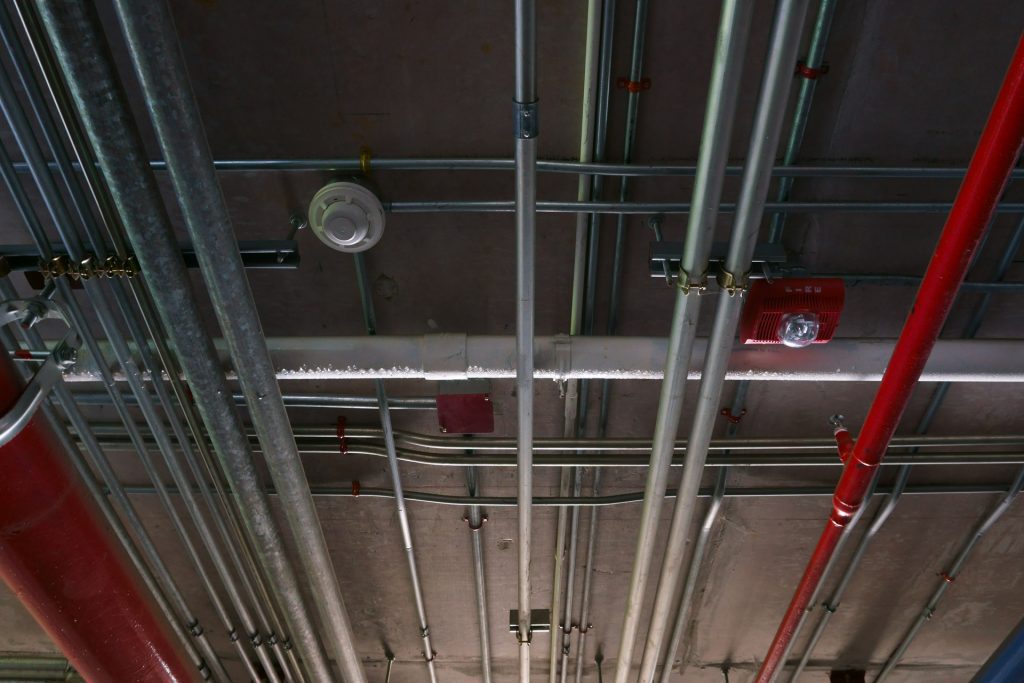
In hot, dusty Saudi conditions, overloaded circuits, poor terminations and missing earthing are among the most serious risks in any camp. Fire alarm and fire fighting systems are also the focus of Civil Defense and owner inspections. That is why BoldTarget's in-house electrical contracting and fire fighting and fire alarm teams test these systems against the approved design before inviting the consultant to witness. Our article on fire safety for temporary construction facilities explains the wider requirements.
Quality Records You Should Keep
Quality is proven by records, not by statements. A well-run TCF project maintains:
- Material approval submittals and delivery inspection reports for units, cables, pipes, equipment and finishes.
- Inspection requests and signed inspection records for every hold and witness point.
- Test certificates and commissioning sheets for each system.
- Calibration certificates for test instruments used on site.
- Non-conformance reports with root cause, corrective action and closure evidence.
- Snag lists and their closure records.
- Daily reports and photographs of concealed works such as underground ducts and drainage.
Concealed works matter most: once a duct is buried or a slab poured, the only proof of what is underneath is the record. Good plumbing and drainage and electrical teams photograph and log buried services before backfilling, which also makes future relocation and demobilization much easier.
The TCF Handover Dossier
The handover dossier is the final quality deliverable. It allows the client or the operation and maintenance team to run the facility safely and is often a condition for final acceptance. A complete dossier typically includes:
- As-built drawings for layout, buildings and every MEP system.
- All inspection records, test certificates and commissioning sheets.
- Authority and owner inspection approvals obtained during the project.
- Operation and maintenance manuals and equipment data sheets.
- Warranties and spare parts lists.
- Asset register with equipment locations, ratings and serial numbers.
- Training records for the client's operators, where training was part of the scope.
When the TCF contractor also designs and installs the MEP systems and low current systems, the dossier is assembled by one team rather than collected from several suppliers, which reduces gaps and missing certificates.
Common Quality Gaps on TCF Projects
- Generic method statements that do not reflect the site or the building system.
- Work covered before hold point inspections are signed.
- Missing test records for water disinfection or earthing.
- As-built drawings prepared at the end from memory rather than updated during works.
- Multiple suppliers each assuming someone else will provide the test certificates.
These gaps are simple to prevent when quality is planned from the start. Clients assessing contractors can ask for sample method statements and ITPs during TCF contractor prequalification.
Quality Built In by One Accountable Contractor
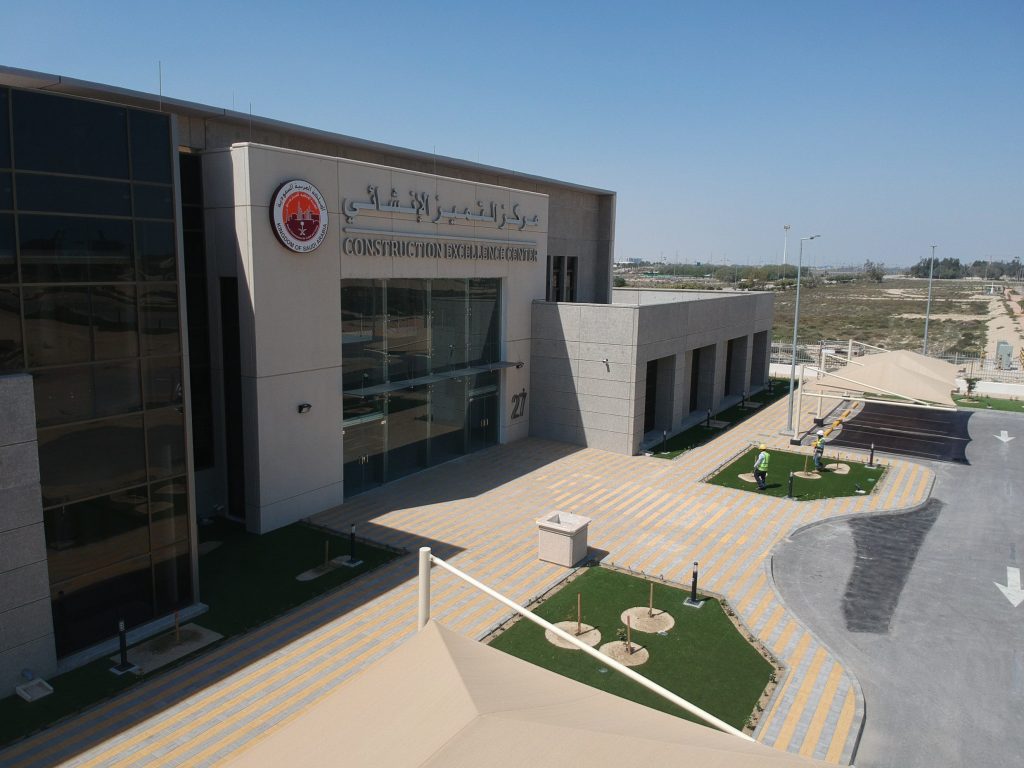
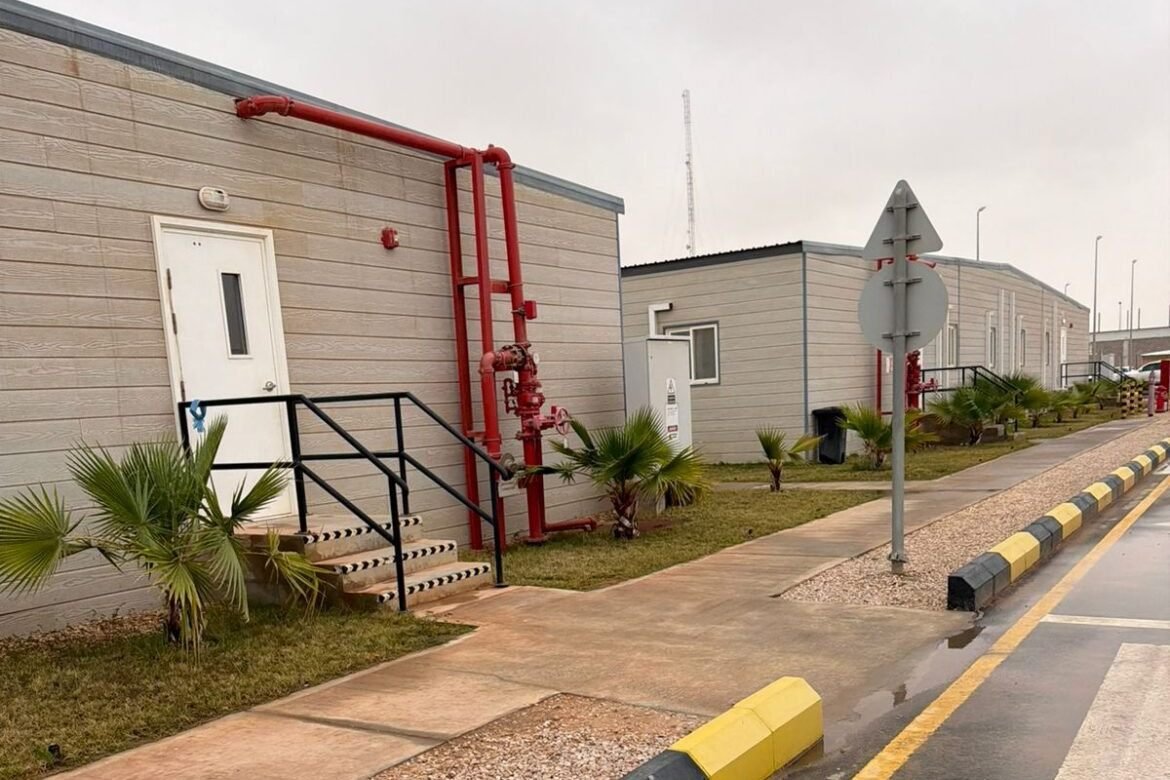
As a TCF contractor in Saudi Arabia with general contracting and MEP under one roof, BoldTarget prepares project-specific method statements and ITPs, runs inspections with the consultant and delivers a complete handover dossier. You can see the type of facility we deliver on our temporary construction facility project. If you need a contractor whose quality documentation stands up to owner and consultant review, contact BoldTarget to discuss your TCF package.
Frequently Asked Questions
What is the difference between a method statement and an ITP?
A method statement describes how an activity will be carried out step by step, including resources and safety controls. An ITP lists the inspections and tests for that activity, the acceptance criteria and who must witness or approve each point. They are usually submitted and approved together.
Who approves a TCF method statement?
On most Saudi projects the consultant or the client's engineer reviews and approves method statements before the related work starts. Owners with their own standards may also require their representatives to review safety-critical activities such as lifting and electrical works.
What tests are required before a site camp is occupied?
Typically electrical tests including earthing and insulation resistance, water pressure testing and disinfection, drainage testing, HVAC commissioning and fire alarm and fire fighting tests. The exact list and criteria depend on the approved specification, owner standards and authority inspections.
What should a TCF handover dossier include?
As-built drawings, inspection records, test certificates, commissioning sheets, authority approvals, operation and maintenance manuals, warranties and an asset register. A complete dossier makes operation, maintenance and later demobilization much easier.
Related TCF Guides
- Aramco Contractor Camp Requirements: A Practical TCF Guide
- TCF for Oil and Gas Projects in Saudi Arabia: Remote Field Guide
- TCF for Government Projects in Saudi Arabia: Etimad and Compliance
- Temporary Construction Facility Services Saudi Arabia: Full Guide
- TCF contractor in Saudi Arabia: explore our Temporary Construction Facilities services