Before a client or EPC contractor invites anyone to price temporary facilities, procurement usually runs a vendor registration or prequalification step. TCF contractor prequalification filters out companies that cannot legally, financially or technically deliver offices, labour accommodation, utilities and MEP on a live construction site. For procurement engineers, it is the first line of risk control. For contractors, a well-prepared package is the difference between being on the bidders list and never hearing about the tender. This guide explains the documents Saudi clients typically request, why each one matters and how to assess what you receive.
Why Prequalification Matters for Temporary Facilities
Temporary facilities are often treated as a minor package, yet they carry real risk. A TCF contractor works on the client's site from the first day of mobilization, connects to power and water, installs fire protection, and houses workers whose welfare is scrutinised by owners, consultants and authorities. A weak contractor can delay mobilization, fail inspections or create safety incidents that reflect on the main contractor.
Prequalification therefore checks more than price. It asks whether the company is properly registered, financially stable, safe, organised and experienced in the type of work being tendered. If you are still deciding what kind of partner you need, start with our guide on how to choose a TCF contractor in Saudi Arabia.
Legal and Registration Documents
These confirm that the company exists, is entitled to trade and is in good standing with Saudi authorities.
- Commercial Registration (CR) showing activities that cover construction, contracting or the relevant trades.
- Chamber of Commerce membership certificate.
- Contractor classification certificate where the client or project requires it, which is common for government and semi-government work.
- Zakat certificate and VAT registration certificate issued through the Zakat, Tax and Customs Authority.
- GOSI certificate confirming social insurance contributions are up to date.
- Nitaqat (Saudization) certificate showing the company's Saudization band.
- Municipal licence and, for government tenders, registration on the Etimad platform and any local content documentation requested.
Government projects add their own layer of requirements, covered in our article on TCF for government projects and Etimad tenders.
Financial Documents
Clients want confidence that the contractor can fund mobilization, buy materials and carry the project until payments arrive. Typical requests include audited financial statements for recent years, a bank reference or credit facility letter, and confirmation of the ability to provide advance payment, performance and retention bonds if the contract requires them. For rental or lease models, clients may also ask how the contractor owns or finances the building fleet.
HSE Documents and Statistics
Health, safety and environment are where many prequalifications are decided, especially on industrial sites in the Eastern Province. Clients commonly ask for:
- HSE policy signed by senior management and an HSE management system manual.
- Project-specific HSE plan template, including emergency response, heat stress management and permit-to-work interfaces.
- Incident and man-hour statistics for recent years, presented in the format the client specifies.
- Training matrix and records for supervisors and safety staff.
- Sample risk assessments and job safety analyses for typical TCF activities such as lifting units, working at height and electrical connections.
You can read how we approach safety on site on our HSE page.
Quality and Technical Documents
These show whether the contractor can actually design, build and commission what is being bought.
Management system certificates
Clients often ask for ISO 9001 (quality), ISO 14001 (environment) and ISO 45001 (occupational health and safety) certificates. Ask for valid copies and check the scope wording: a certificate that covers only trading or supply may not cover installation and MEP works.
Method statements and quality plans
Sample method statements for installation of units, civil works and MEP, together with a quality plan and inspection and test plans, show how the contractor actually works. Our article on TCF method statements and ITPs explains what good examples contain.
Organisation and resources
An organisation chart, CVs of key staff (project manager, engineers, HSE officer, MEP supervisors), a list of owned or available equipment and a description of manufacturing or fabrication capability, if any.
Experience and references
A list of comparable projects with scope, location and client contact, supported by completion certificates or reference letters. Check that the references describe the same type of work: delivering cabins is not the same as delivering a complete camp with utilities and MEP.
Insurance Documents
Most clients require evidence of insurance before mobilization, and some ask for it at prequalification. Typical policies include contractor's all risks or a project policy arrangement, third-party liability, employer's liability or workers' compensation, medical insurance for employees, and motor insurance for site vehicles. Check limits, validity dates and whether the client must be named on the policy.
Prequalification Checklist Table
| Category | Typical documents | What to check |
|---|---|---|
| Legal | CR, Chamber membership, municipal licence | Activities match the scope; documents are valid |
| Government compliance | Zakat, VAT, GOSI, Nitaqat certificates | Current validity; Saudization band acceptable to the client |
| Classification | Contractor classification certificate | Required category and grade for the project, where applicable |
| Financial | Audited statements, bank reference | Capacity relative to contract value; ability to provide bonds |
| HSE | Policy, manual, statistics, training records | Performance trend; system fits industrial site rules |
| Quality | ISO certificates, quality plan, sample ITPs | Certificate scope covers installation and MEP |
| Technical | Method statements, organisation chart, CVs, equipment list | In-house capability versus reliance on subcontractors |
| Experience | Project list, completion certificates, references | Similar scope, size and site conditions |
| Insurance | CAR, third-party, employer's liability, medical | Limits, validity, client named where required |
How to Evaluate a TCF Contractor's Package
Receiving documents is easy; reading them critically is where procurement adds value. A few practical tests:
- Check scope, not just existence. Does the CR, classification and ISO scope cover construction and MEP, or only supply?
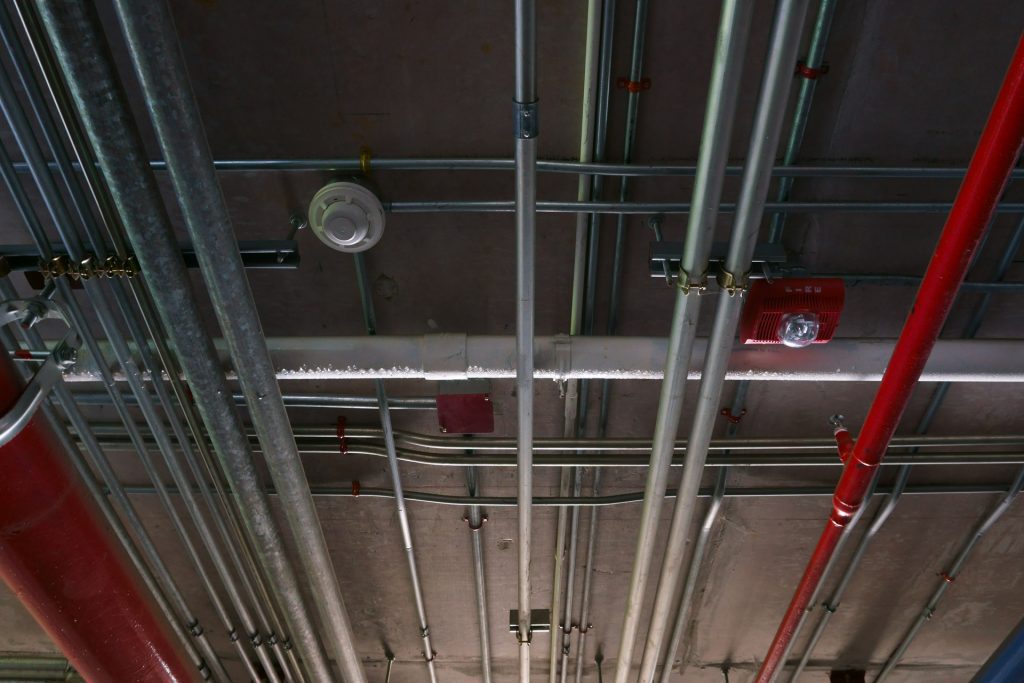
- Look for in-house MEP. Temporary power, HVAC, plumbing, drainage and fire fighting are where TCF projects usually fail. A contractor with its own MEP teams carries fewer interface risks than one who subcontracts every system.
- Compare like with like. Reference projects should resemble yours in size, location and complexity.
- Test the method statements. Generic documents copied from other trades are a warning sign.
- Verify, then shortlist. Call references and confirm certificate validity before the RFQ is issued.
Once the shortlist is ready, the next step is a clear tender package. Our guide to TCF tender and RFQ preparation explains how to write one and evaluate the bids fairly.
How BoldTarget Supports Prequalification
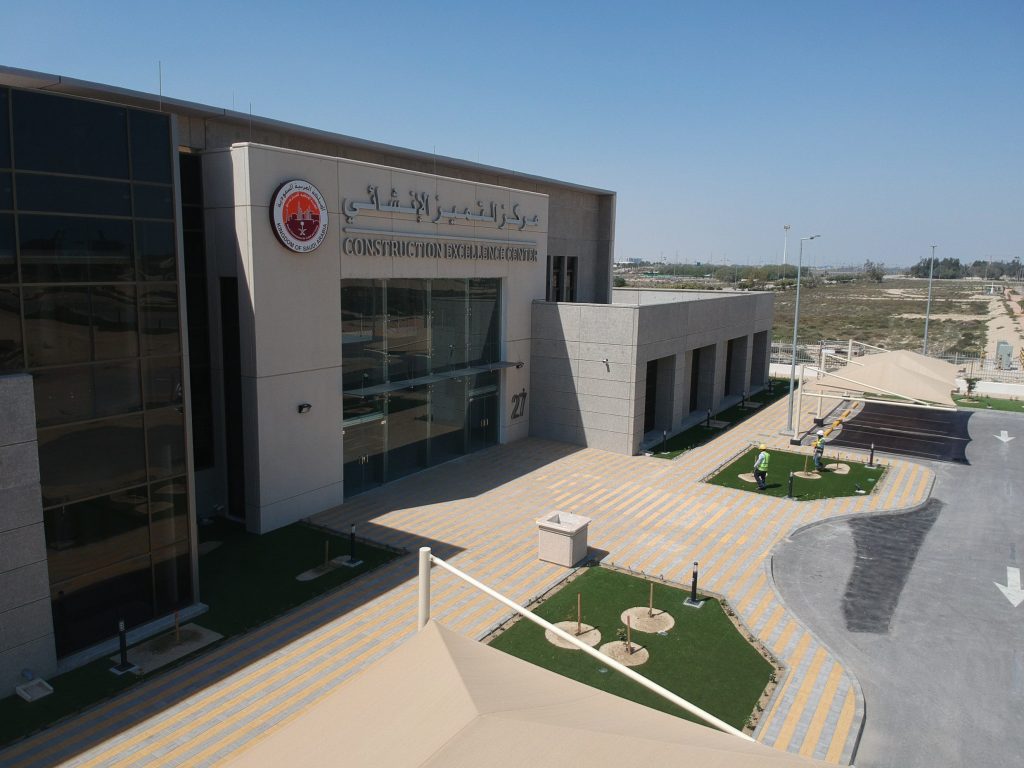
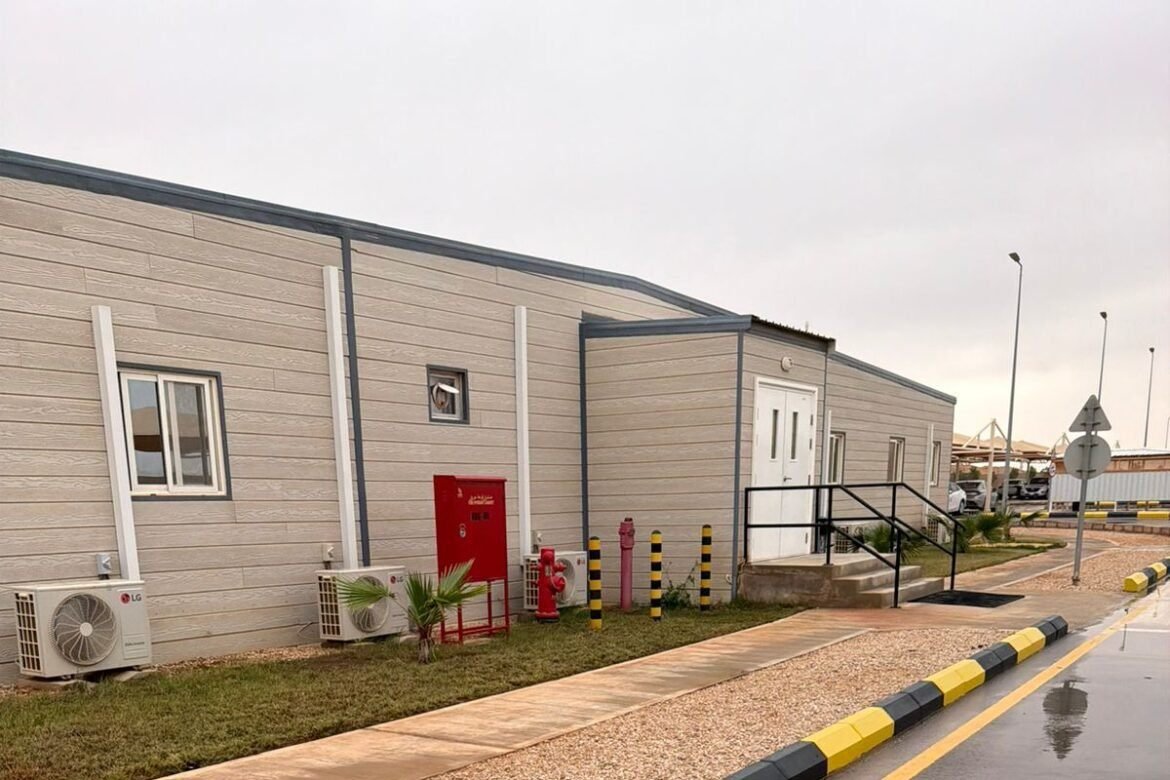
BoldTarget prepares prequalification packages tailored to each client's vendor registration format, combining its general contracting credentials with in-house MEP contracting capability for power, HVAC, water, drainage, fire fighting and fire alarm systems. Where clients want early input on layout, budgets or scope before tendering, our pre-construction services help define the package. As a TCF contractor in Saudi Arabia, we can share relevant project experience, such as our temporary construction facility project, along with method statements and HSE documentation on request.
Request BoldTarget's Prequalification Package
If you are building a bidders list for site offices, labour accommodation or a complete TCF package, send us your vendor registration requirements and we will respond with the documents your procurement team needs. Contact BoldTarget to request our prequalification documents.
Frequently Asked Questions
What documents are required to prequalify a TCF contractor in Saudi Arabia?
Clients usually request the Commercial Registration, Chamber membership, Zakat, VAT, GOSI and Nitaqat certificates, financial statements, HSE policy and statistics, ISO certificates, method statements, CVs, equipment lists, project references and insurance. The exact list depends on the client's vendor registration rules and the project.
Is contractor classification required for TCF work?
It depends on the client and contract value. Government and semi-government projects commonly require a valid contractor classification in the relevant category, while private clients may not. Always confirm the requirement in the tender documents.
How do I compare HSE performance between TCF contractors?
Ask every contractor for incident and man-hour statistics in the same format and for the same period, then review the trend rather than a single figure. Supporting evidence such as training records, risk assessments and site HSE plans gives a fuller picture.
Why does in-house MEP matter in TCF prequalification?
Most TCF problems arise in power, cooling, water, drainage and fire systems. A contractor with its own MEP teams controls these interfaces directly, which reduces coordination risk and makes accountability clearer for the client.
Related TCF Guides
- TCF Method Statement, ITP and Quality Records Explained
- Aramco Contractor Camp Requirements: A Practical TCF Guide
- Remote Site Camps in Saudi Arabia: Self-Sufficient Desert Camps
- TCF Checklist for Project Managers: Planning to Demobilization
- TCF contractor in Saudi Arabia: explore our Temporary Construction Facilities services