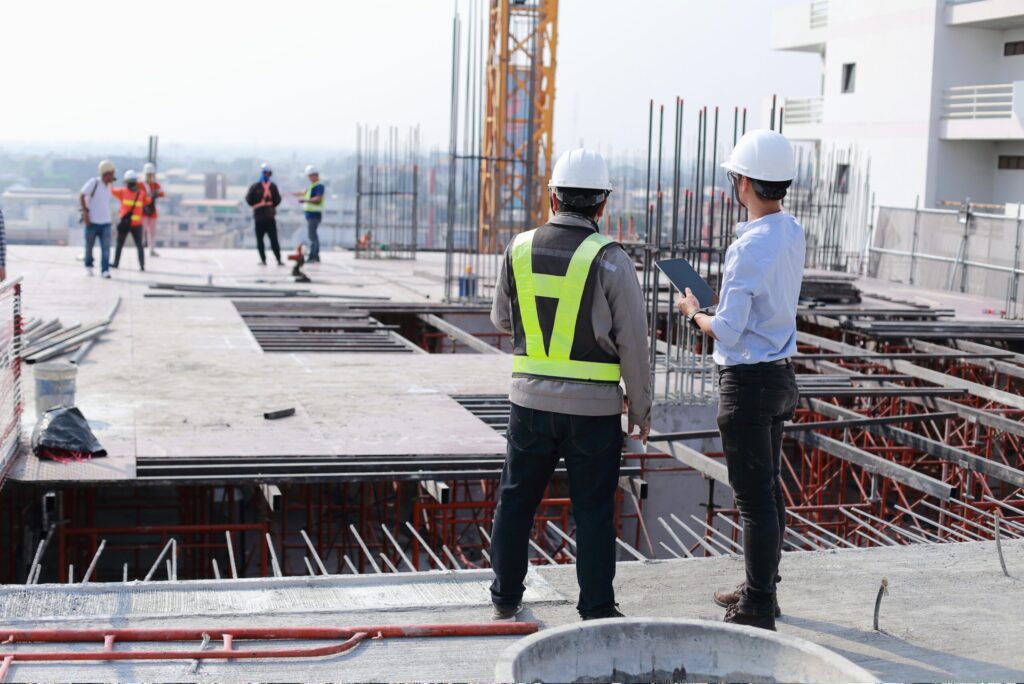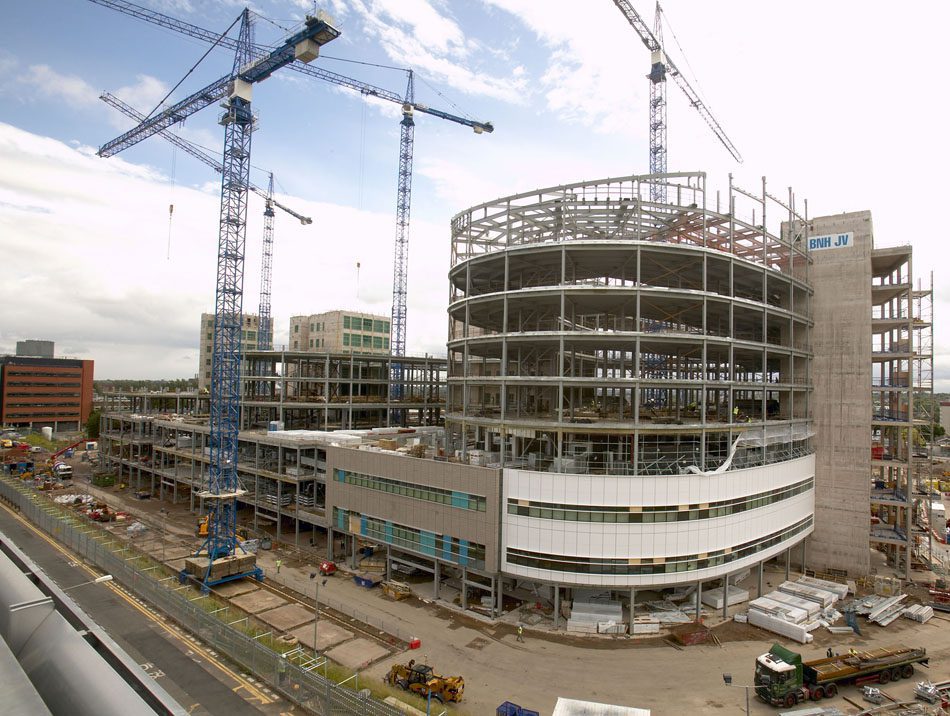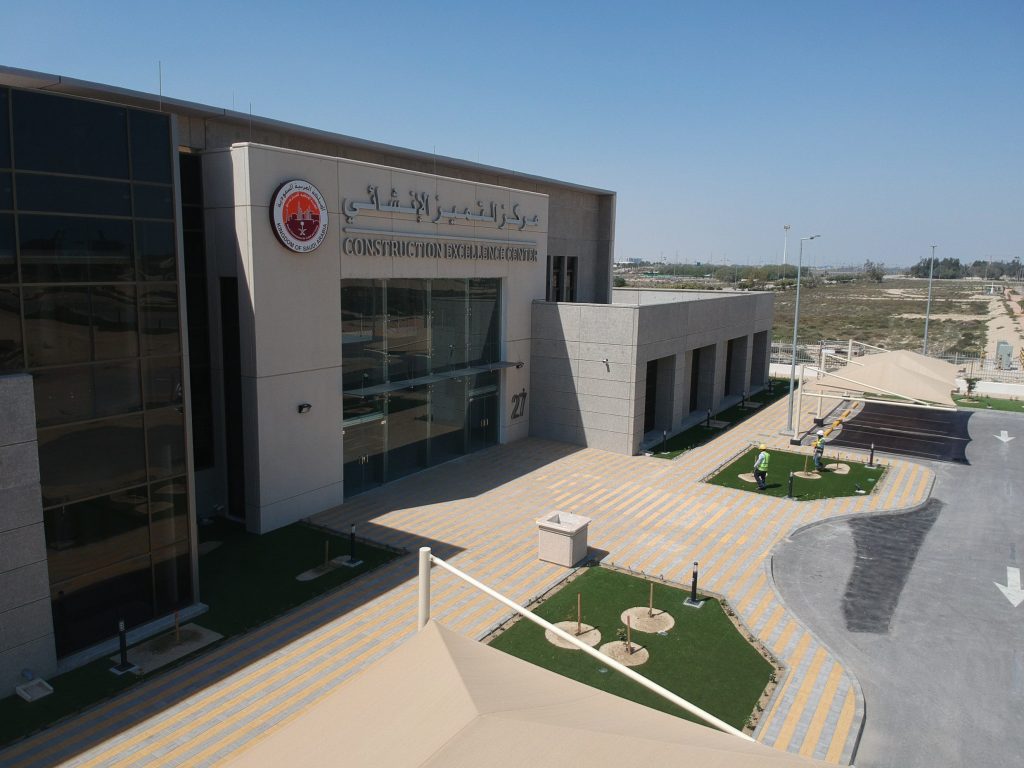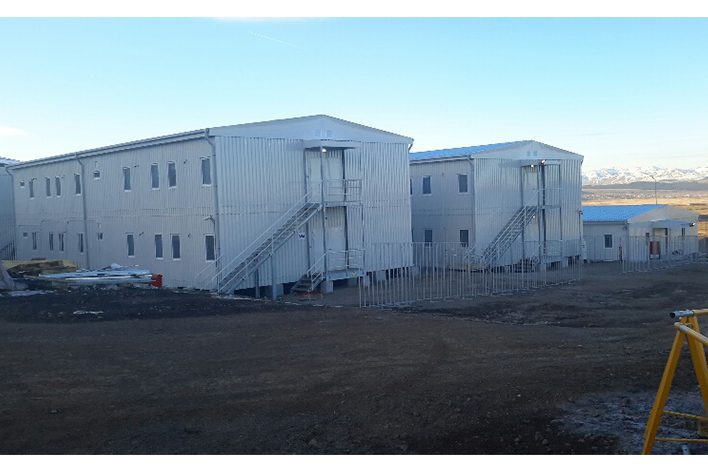
Every major build in the Kingdom starts long before the first foundation is poured. Before engineers, supervisors and hundreds of workers can be productive, a project needs offices, accommodation, power, water, cooling, security and safety systems on site. That support infrastructure is exactly what temporary construction facility services in Saudi Arabia deliver. Done well, a temporary construction facility (TCF) keeps the project running smoothly for years; done poorly, it becomes a daily source of delays, complaints and safety risks. This guide explains what TCF includes, how it is delivered phase by phase, and how BoldTarget approaches it as a general and MEP contractor based in Khobar.
What Is a Temporary Construction Facility (TCF)?
A TCF is the complete set of temporary buildings, utilities and services that support a construction project from mobilization to completion. It is called temporary because it is removed or relocated once the permanent works are handed over, but on large projects it can remain in use for several years. That is why it has to be engineered like a real facility rather than improvised.
In Saudi Arabia, a TCF also has to cope with local conditions: extreme summer heat, dust and sandstorms, remote locations far from municipal utilities, and the expectations of the Saudi Building Code (SBC), Saudi Civil Defense and labor-accommodation standards.
What TCF Services Typically Include
The scope varies from project to project, but a complete TCF package usually covers:
- Site offices and meeting rooms for the client, consultant and contractor teams
- Worker accommodation and welfare facilities: dormitories, dining halls, kitchens, laundries, prayer rooms and recreation areas
- Ablution and sanitary blocks with water supply and sewage connections
- Temporary stores, workshops, laydown yards and shaded storage
- Temporary power: generators, distribution boards, cabling, earthing and site lighting
- HVAC and cooling for all occupied buildings
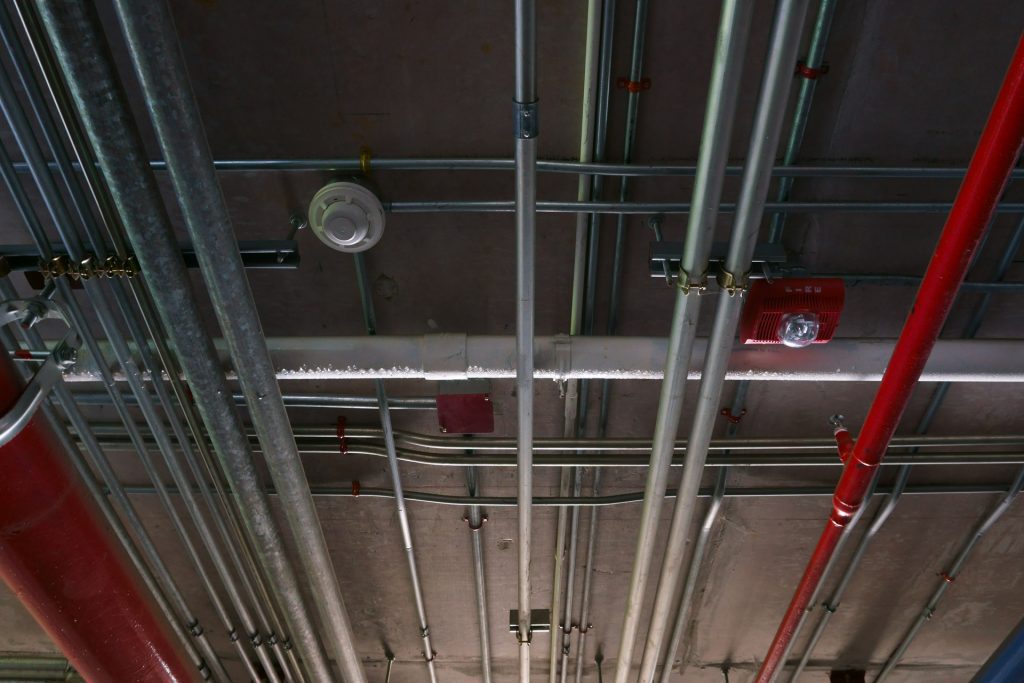
- Fire fighting and fire alarm systems
- Low current systems: CCTV, access control, data networks and telephones
- Fencing, gates, internal roads, parking, drainage and security posts
- First aid rooms, clinics and emergency assembly points
Because these elements depend on each other, many clients prefer a single contractor to deliver the whole package through a dedicated temporary construction facility service rather than coordinating several suppliers.
The Phases of a TCF Project
1. Planning and design
The process begins with understanding the project: workforce numbers over time, site boundaries, access routes, utility availability, project duration and the client's own standards. From there, the contractor develops a site layout, a building schedule and a utility design. Strong pre-construction services at this stage, including surveys, design coordination and value engineering, prevent costly changes later.
2. Approvals and procurement
Drawings and specifications are submitted for client and authority approval, while long-lead items such as generators, modular units, HVAC equipment and fire systems are ordered. Selecting SASO-compliant materials and equipment early avoids rejections at inspection.
3. Site preparation and infrastructure
Grading, compaction, roads, drainage, foundations or plinths, and underground utilities come first. Getting this stage right determines how well the facility performs during heavy rain and sandstorms.
4. Building installation and MEP works
Offices, accommodation blocks and support buildings are installed, whether porta cabins, modular units or pre-engineered structures, followed by electrical, plumbing, HVAC, fire and low current systems. Integrated MEP services are the heart of a livable, safe facility.
5. Testing, commissioning and handover
Every system is tested and commissioned: power load tests, water quality checks, fire alarm and fire fighting tests, HVAC performance and CCTV coverage. The facility is then handed over with as-built drawings and operating guidance.
6. Operation, expansion and demobilization
As the workforce grows, the TCF may need to expand. At the end of the project, the facility is dismantled and the site restored. We cover this stage in detail in our guide to TCF mobilization and demobilization planning.
Why TCF Matters More Than Many Clients Expect
It is tempting to treat temporary facilities as a minor line item. In practice, the TCF has a direct effect on project performance:
- Productivity: well-cooled offices and rested workers make better decisions and work more safely in Saudi summer conditions.
- Compliance: labor accommodation, fire safety and HSE inspections all start with the temporary facilities, and non-compliance can stop work.
- Workforce welfare: clean, comfortable worker accommodation and labor camps support retention and morale.
- Schedule: late mobilization delays every activity that follows.
- Reputation: clients, consultants and visiting stakeholders form their first impression of the project at the site office.
With Vision 2030 driving an unprecedented construction pipeline, from giga-projects such as NEOM and the Red Sea to industrial expansion in Jubail and Dammam, demand for reliable temporary facilities across the Kingdom continues to grow.
Key Technical Considerations in Saudi Conditions
Heat and dust
Cooling loads are high for much of the year, so building insulation, correctly sized HVAC units and dust filtration all matter. Good roof and wall insulation also reduces energy demand and generator fuel consumption.
Power reliability
Many sites rely on generators in the early months. Redundancy, proper earthing and protected distribution prevent outages that can shut down office and accommodation cooling at the worst possible moment.
Fire and life safety
Temporary buildings are often grouped closely together. Spacing between buildings, fire alarm coverage, extinguishers, hydrants where required and clear emergency routes should all be designed to meet Saudi Civil Defense expectations. Our fire fighting and safety services cover both design and installation.
Security and communications
Large sites need controlled access, perimeter CCTV and reliable data networks for project management systems. These are delivered through low current systems such as CCTV, access control and structured cabling.
How BoldTarget Delivers TCF Services
BoldTarget General Contracting is a general and MEP contractor based in Khobar in the Eastern Province. Because we deliver civil works and MEP under one roof, we can take a TCF from layout planning through to commissioning without the interface gaps that often appear when several subcontractors are involved. Our approach includes:
- A single point of responsibility for civil, building and MEP scopes through our general contracting team
- Layouts designed around workforce peaks, traffic flow and future expansion
- MEP systems sized for Saudi heat and site conditions
- Safety built in from the design stage, in line with our HSE policy
- Clear handover documentation and support during operation
You can see how this works in practice in our Temporary Construction Facility project in Saudi Arabia. If you are comparing contractors, our article on how to choose a TCF contractor in Saudi Arabia gives you a practical checklist.
Plan Your Temporary Construction Facility with BoldTarget
Whether you need a compact site office compound or a complete camp with accommodation, utilities and security, early planning saves time and cost. Share your project location, expected workforce and schedule, and our team will help you define the right scope for your TCF services. Contact BoldTarget today to discuss your requirements.
Frequently Asked Questions
What does a temporary construction facility include?
A TCF typically includes site offices, worker accommodation and welfare facilities, sanitary blocks, stores and laydown areas, temporary power, HVAC, water and sewage systems, fire safety, low current systems such as CCTV and access control, and fencing and internal roads. The exact scope depends on the project size, location and duration.
How long does it take to set up a TCF in Saudi Arabia?
It depends on the scope, site conditions, approval process and the availability of buildings and equipment. A small office compound can be mobilized much faster than a full camp with accommodation and utilities. Early planning and ordering long-lead items such as generators and modular units are the best ways to shorten the timeline.
Who is responsible for providing temporary facilities on a project?
This is defined in the contract. Often the main contractor provides the TCF for its own team and for the client and consultant, but many clients and contractors appoint a specialist contractor to design, build and commission the facilities as a single package.
Does BoldTarget deliver TCF services?
Yes. BoldTarget is a general and MEP contractor based in Khobar in the Eastern Province and has delivered a Temporary Construction Facility project in Saudi Arabia. Contact us with your project location, workforce size and schedule to discuss the right scope.
Related TCF Guides
- How to Choose a TCF Contractor in Saudi Arabia: Criteria & Red Flags
- Temporary Site Offices in Saudi Arabia: Types, Layout and MEP
- Worker Accommodation Construction in Saudi Arabia: Labor Camp Guide
- TCF for Giga Projects in Saudi Arabia: Planning at Vision 2030 Scale
- Explore our Temporary Construction Facilities (TCF) services