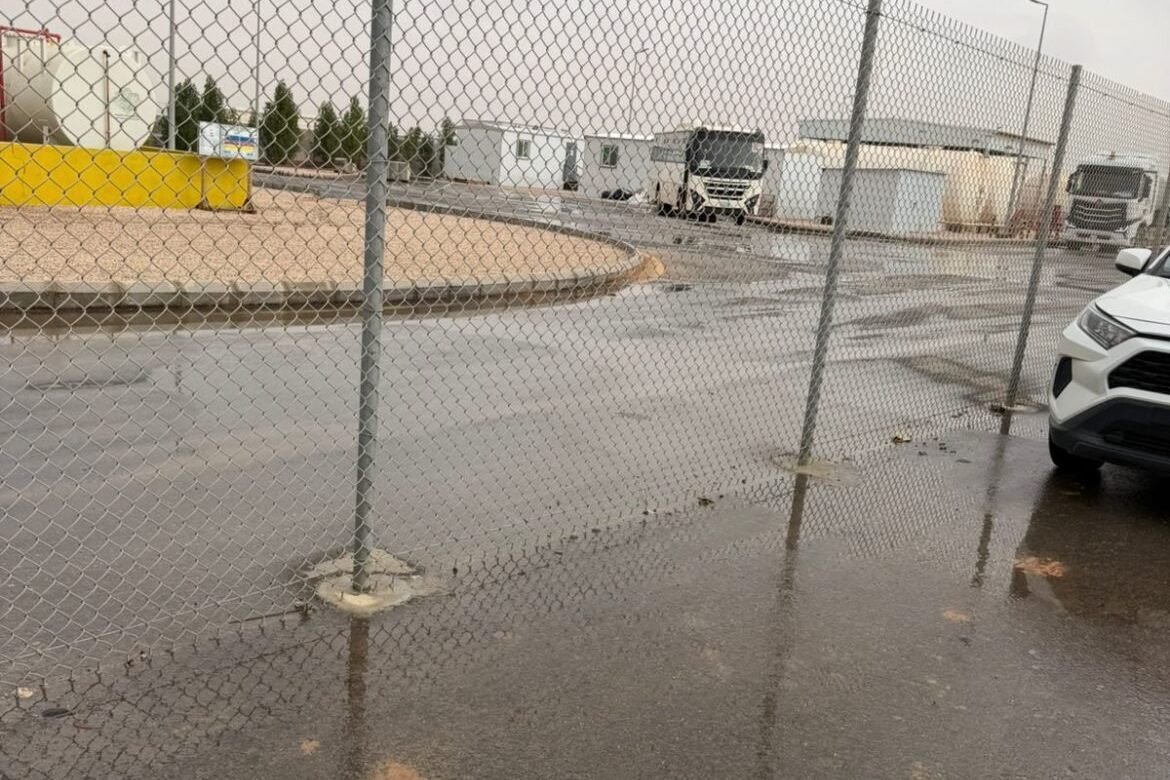
Oil and gas projects place temporary facilities in some of the most demanding locations in the Kingdom: far from cities, close to live hydrocarbon infrastructure and exposed to extreme heat and sand. Planning TCF for oil and gas projects in Saudi Arabia is therefore less about choosing cabins and more about designing a small, self-sufficient town that keeps people safe and working for the full project duration. This guide covers the issues that set field projects apart: siting around H2S and other hazard zones, water and fuel logistics, rotation camps, power reliability, communications and emergency response, and how an integrated TCF and MEP contractor addresses each one.
What Makes Oil and Gas Field TCF Different
A city project can lean on municipal power, water, sewage and hospitals. A field project usually cannot. Everything the camp needs must be produced, stored or hauled, and every failure is felt immediately. Key differences include:
- Hazard proximity: wells, flowlines, gathering stations and processing plants define where people can safely live and work.
- Self-sufficiency: power, water, sewage treatment and often catering supplies must be handled on site.
- Distance: long road journeys make deliveries, maintenance visits and emergency response slower.
- Rotation: crews live on site for long periods, so accommodation quality and welfare directly affect retention and safety.
- Owner standards: energy owners apply strict HSE and camp standards, which we discuss in our guide to Aramco contractor camp requirements.
Siting Camps Around H2S and Safety Zones
Many Saudi fields handle sour gas, and hydrogen sulphide is one of the defining hazards of field work. Camp and office locations are normally fixed through the owner's risk assessment and any dispersion studies, which define hazard zones around wells and facilities. The TCF layout must then respect these zones.
Layout principles
- Place accommodation and offices outside defined hazard zones, preferably upwind of sources based on prevailing wind data.
- Provide windsocks visible from all areas so people can judge escape direction.
- Mark assembly points in more than one direction, so at least one is always upwind.
- Keep at least two escape routes from the camp where the terrain allows.
- Separate fuel storage, generators and waste areas from sleeping quarters.
Building and MEP measures
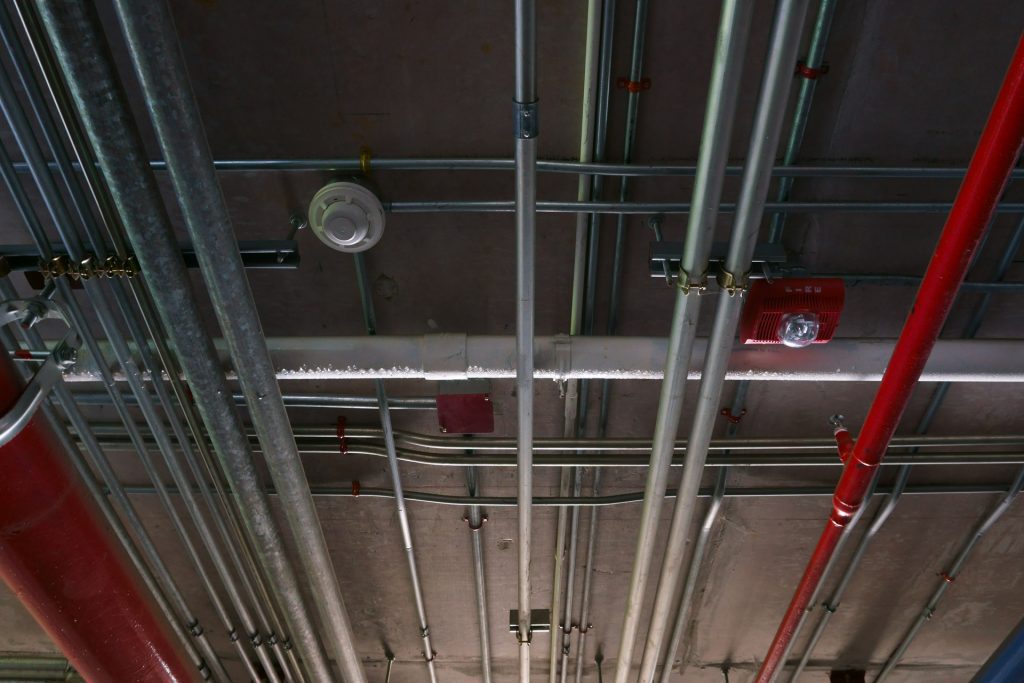
Where the risk assessment requires it, the camp may include gas detection at the perimeter or inside buildings, linked to alarms and the public address system. HVAC design matters too: fresh air intakes can be fitted with dampers that close on a gas alarm, allowing selected buildings to act as shelter-in-place refuges. This is where a TCF contractor with in-house HVAC and cooling systems and low current and alarm systems capability adds real value, because detection, alarms and ventilation controls must work together. The specific measures, detector types and set points always come from the owner's requirements and the project's safety studies.
Water Logistics in Remote Fields
Water is the most critical consumable in a desert camp. Typical supply options include tanker haulage from approved sources, local wells with treatment, and reverse osmosis units for brackish groundwater. The right choice depends on distance, water quality, camp population and the owner's preferences.
- Size storage generously to cover delivery disruptions, such as sandstorms closing roads.
- Shade or insulate tanks and pipework to limit water temperature rise in summer.
- Include chlorination or other disinfection and a routine water quality testing programme.
- Separate potable, fire and service water where the design requires it.
- Plan sewage treatment or holding tanks with a reliable emptying and haulage arrangement, and consider treated effluent for dust suppression where permitted.
Our plumbing and water systems team designs these networks as a complete system, from intake to treatment and discharge. For more detail, see our article on water supply and sewage for temporary construction sites.
Fuel Logistics and Storage
Most field camps run on diesel generators, at least until a grid or plant supply becomes available. Fuel management is therefore both a cost and a safety issue.
- Bulk tanks and generator day tanks with secondary containment to capture leaks and spills.
- Safe separation from accommodation, kitchens and ignition sources.
- Controlled refuelling areas with spill kits and fire extinguishers.
- Consumption monitoring to spot leaks, theft or inefficient running.
- A delivery schedule with enough buffer for road closures and peak summer demand.
Power Reliability for Field Camps
In summer, losing power in a desert camp quickly becomes a welfare and safety emergency, because air conditioning, water pumps and fire alarm systems all depend on it. Power systems for field TCF are usually designed with redundancy, for example an N+1 generator arrangement, so that one set can be maintained or fail without loss of supply.
Elements of a reliable system
- Synchronised generator sets with automatic load sharing and changeover.
- Load schedules based on realistic peak cooling demand, not average conditions.
- UPS or battery backup for fire alarm, emergency lighting, communications and IT.
- Robust earthing and protection suited to sandy, dry soils.
- Planned preventive maintenance with spares held on site.
Hybrid systems that add solar PV to generator supply can reduce fuel consumption and deliveries, which is especially valuable on remote sites. BoldTarget's electrical contracting team designs and installs these systems in house, and our guide to temporary power for construction sites explains the options further.
Rotation Camps: Designing for Long Stays
Field crews often work long rotations, which changes how the camp should be designed and run:
- Room allocation that supports back-to-back rotations without disrupting sleeping crews.
- Quiet zones for night-shift workers, away from kitchens, generators and recreation areas.
- Catering that serves all shifts, with suitable cold and dry stores for longer resupply intervals.
- Welfare facilities such as prayer areas, gyms, recreation rooms, laundry and shaded outdoor seating.
- Connectivity so workers can contact their families, which matters greatly to morale on long stays.
- Transport facilities including bus bays, shaded waiting areas and luggage storage for crew changes.
Communications, Medical and Emergency Response
Remote fields may have limited mobile coverage, so camps often rely on VSAT, microwave links or extended mobile networks, with radio for operational communication. A clinic or first aid facility, an ambulance with clear access routes and, where the owner requires it, a helicopter landing area support medical evacuation. The emergency response plan should connect the camp to the field's wider emergency arrangements and be practised through regular drills. Our HSE approach integrates these elements from the layout stage.
Field TCF Challenges and Solutions
| Challenge | Risk if ignored | TCF solution |
|---|---|---|
| H2S and process hazards | Exposure of residents during a release | Siting outside hazard zones, detection, alarms, shelter-in-place HVAC controls |
| Water supply | Shortages, poor quality, health issues | Generous storage, treatment, testing, shaded tanks |
| Fuel logistics | Power loss, spills, fire risk | Contained storage, safe separation, consumption monitoring |
| Power reliability | Cooling failure in extreme heat | Redundant generators, UPS for life safety, solar hybrid options |
| Sand and heat | Equipment failure, discomfort, damage | Insulated buildings, filtered intakes, sand barriers, raised foundations |
| Rotation and welfare | Fatigue, low morale, turnover | Quiet zones, quality rooms, recreation and connectivity |
| Distance and emergencies | Delayed medical response | Clinic, ambulance access, evacuation planning and drills |
Why One Integrated Contractor Matters in the Field
On a remote site, every interface between suppliers costs time and every missing part means a long trip. A contractor that delivers buildings, civil works, power, cooling, water, sewage, fire protection and communications under one contract can design these systems to work together and maintain them with one team. That is the approach BoldTarget takes as a TCF contractor in Saudi Arabia, and our temporary construction facility project shows the integrated scope we deliver. If your field site is especially isolated, our guide to remote site camps in Saudi Arabia adds further practical detail.
Plan Your Oil and Gas Field Facilities with BoldTarget
Whether you are an EPC contractor mobilizing to a new field or a main contractor expanding an existing camp, BoldTarget can help you design a safe, self-sufficient facility that meets the owner's standards. Share your location, headcount, rotation pattern and owner requirements, and we will propose a layout and utility strategy. Contact BoldTarget to plan your field TCF.
Frequently Asked Questions
How far should a camp be from oil and gas facilities?
There is no single distance. The location is normally set by the owner's risk assessment and any gas dispersion studies, which define hazard zones around wells and plants. The TCF layout must place accommodation and offices outside these zones and preferably upwind of hazard sources.
How is water supplied to remote oil field camps?
Common options are tanker haulage from approved sources, treated local wells and reverse osmosis units for brackish water. Whatever the source, camps need adequate storage, disinfection, shaded tanks and regular water quality testing.
What power setup is recommended for a remote field camp?
Most field camps use synchronised diesel generators with redundancy, so one unit can be serviced or fail without losing supply, plus UPS backup for life safety systems. Adding solar PV in a hybrid arrangement can reduce fuel use and deliveries.
What makes rotation camps different from standard labour camps?
Workers stay for long periods, so room quality, quiet zones for night shifts, catering for all shifts, recreation and reliable internet become essential. Good welfare on rotation camps supports safety, morale and workforce retention.
Related TCF Guides
- TCF Mistakes to Avoid: 14 Costly Errors on Saudi Construction Sites
- Temporary Construction Facilities in Riyadh: City-Site TCF Guide
- Site Washrooms and Ablution Units: Planning Guide for Saudi Projects
- Temporary Site Offices in Saudi Arabia: Types, Layout and MEP
- TCF contractor in Saudi Arabia: explore our Temporary Construction Facilities services