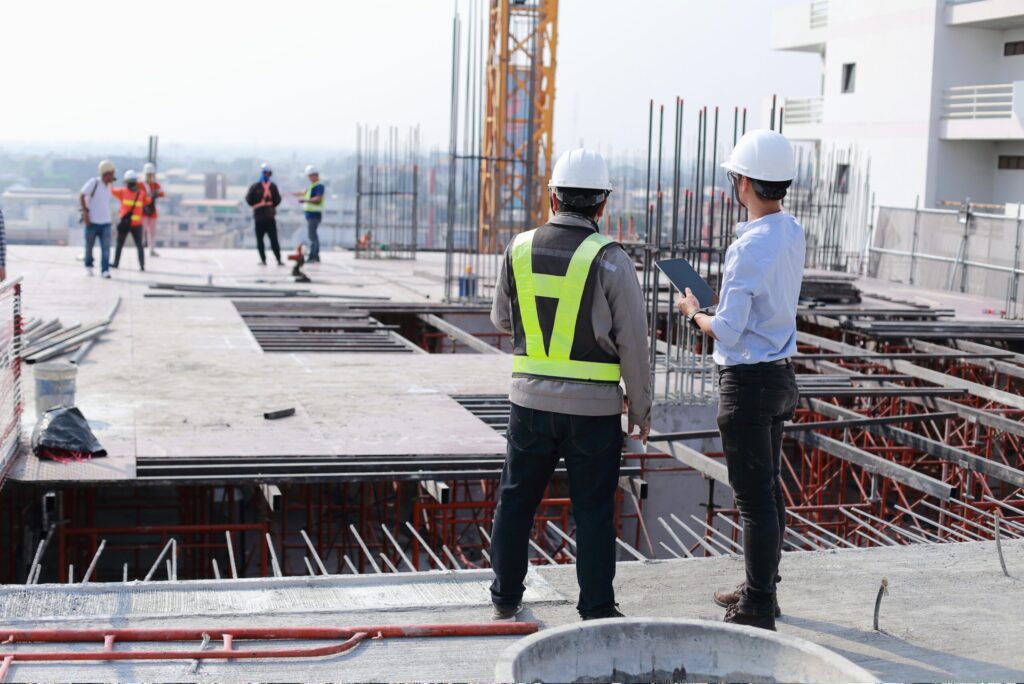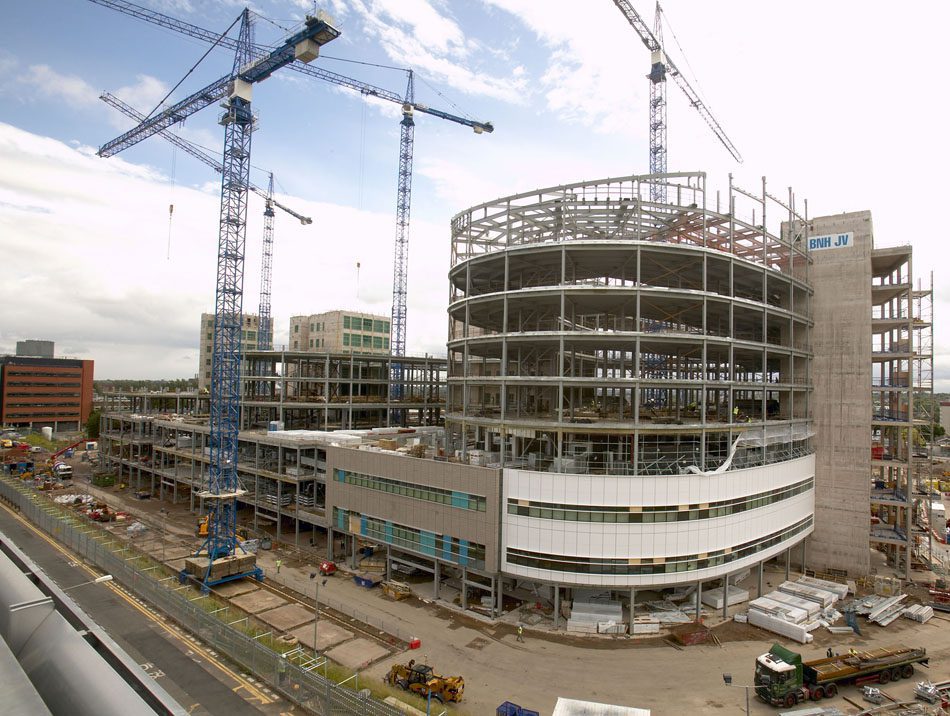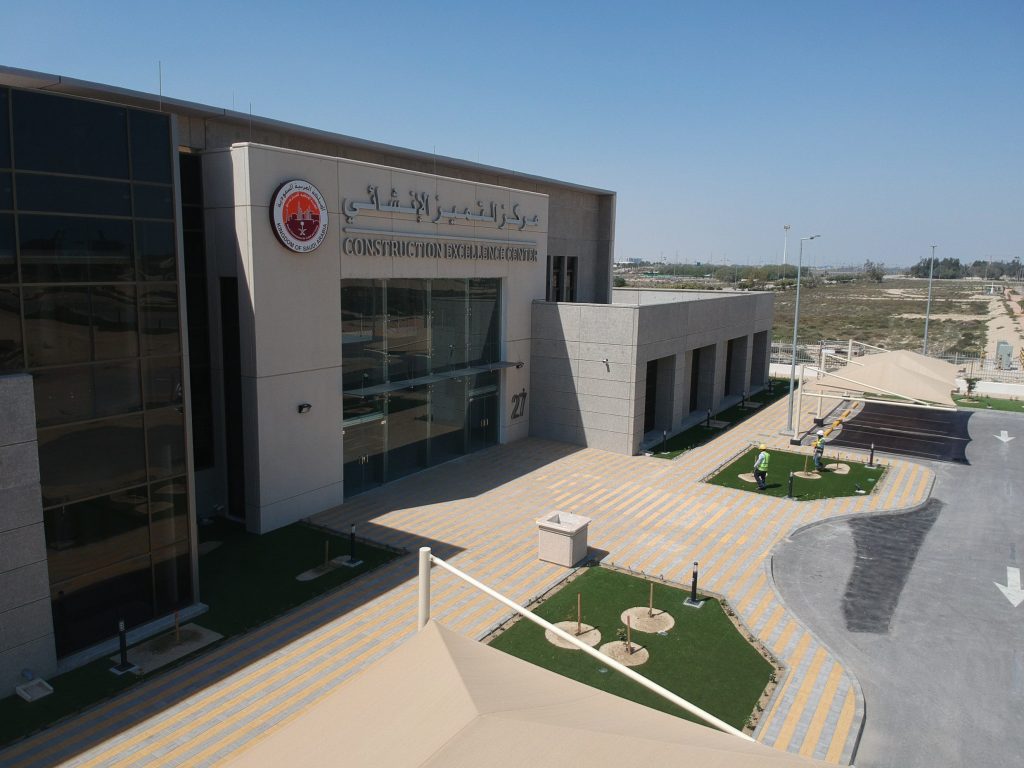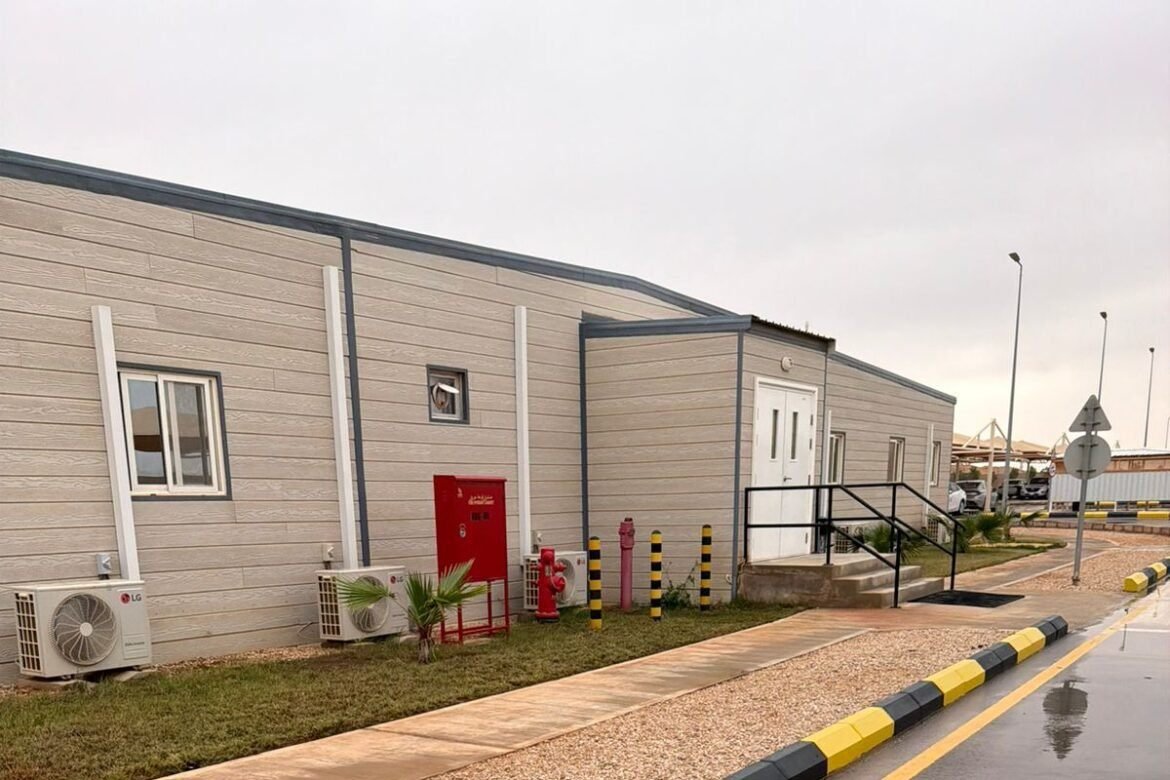
Choosing the right TCF contractor in Saudi Arabia is one of the earliest decisions on a construction project, and one of the most consequential. The contractor you appoint will build the offices your team works in, the accommodation your workforce lives in, and the power, water, cooling and safety systems everything else depends on. A good choice means smooth mobilization and few complaints; a poor one means delays, rework and compliance problems that can follow the project for years. This guide sets out practical selection criteria, the questions to ask during tendering, and the red flags to watch for.
Why the Choice of TCF Contractor Matters
Temporary facilities are often procured quickly under schedule pressure, and price easily becomes the only criterion. Yet a temporary construction facility is a multi-discipline scope: civil works, buildings, electrical, mechanical, plumbing, fire safety and low current systems, all delivered on a tight timeline and usually while the main works are starting around them. A contractor that is strong in one discipline but weak in others creates interface problems that the client ends up managing.
If you are still defining what your facility should include, start with our complete guide to TCF services in Saudi Arabia, then come back to this checklist when you are ready to shortlist.
Core Selection Criteria
1. Multi-discipline capability
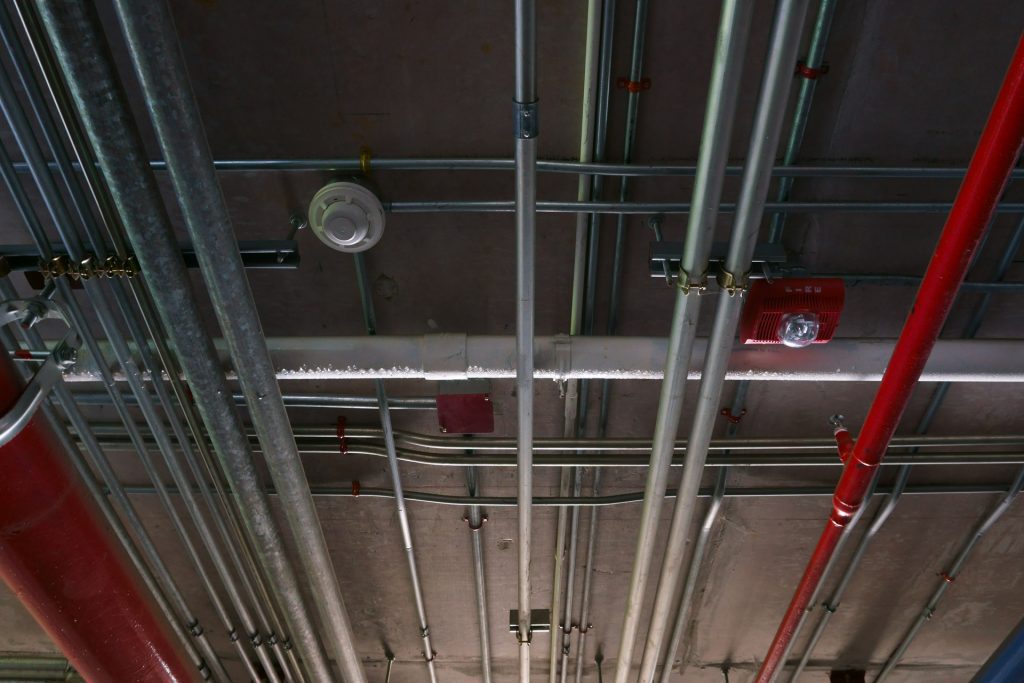
Look for a contractor that can deliver civil, building and MEP works, either in-house or through a tightly managed team. A firm that combines general contracting with in-house MEP services removes many of the coordination gaps between the people who place the buildings and the people who power, cool and protect them.
2. Relevant, verifiable experience
Ask for TCF or similar temporary-facility projects, and ask exactly what the contractor did on each one: full design and build, installation only, or MEP only. Verify through references or a site visit where possible. BoldTarget, for example, can walk clients through its completed Temporary Construction Facility project.
3. Design and planning ability
Strong contractors do not just deliver cabins; they plan layouts, size utilities and identify risks before mobilization. Ask whether they provide pre-construction support such as site surveys, layout options, utility load calculations and value engineering.
4. HSE culture and regulatory knowledge
Temporary facilities must satisfy Saudi Civil Defense fire-safety requirements, labor-accommodation standards, the Saudi Building Code and the client's own HSE rules. Review the contractor's safety management system, how incidents are reported and investigated, and how safety is designed into the layout rather than added later. A published HSE policy is a good starting point for that conversation.
5. Procurement strength
Generators, modular buildings, HVAC units and fire systems can have long lead times. Ask how the contractor sources these items, whether materials are SASO-compliant, and what their plan is if a supplier is late.
6. Resource and financial capacity
Can the contractor mobilize enough labor, equipment and supervision at the same time as other commitments? Can it carry the cash flow of large up-front procurement? A contractor that is stretched too thin will struggle precisely when you need speed.
7. Local knowledge
Familiarity with Eastern Province conditions, extreme heat, dust, local suppliers and authority processes shortens approvals and prevents design choices that look fine on paper but fail in July.
Questions to Ask Before You Award
- Which parts of the scope will you self-perform, and which will you subcontract?
- Who will be the project manager and site engineer, and what temporary-facility experience do they have?
- How will you size power, cooling and water for our peak workforce?
- How will you design fire safety, spacing and emergency routes for clusters of temporary buildings?
- What is your approach to obtaining client and authority approvals?
- How will you handle expansion if the workforce grows faster than planned?
- What testing and commissioning will you carry out before handover?
- What documentation will we receive, such as as-built drawings, operation manuals and warranties?
- Who maintains the facility during operation, and how quickly will breakdowns be addressed?
- How will demobilization and site restoration be handled at the end of the project?
The quality of the answers matters as much as the answers themselves. Contractors who respond with specific methods, named people and examples are usually the ones who have done the work before.
Red Flags to Watch For
- A price far below the others with no clear explanation. This often means missing scope, low-specification buildings or undersized MEP systems.
- Vague scope wording such as MEP as required or lump sum camp, with no schedule of buildings, utilities or specifications.
- Fire safety left out or marked as by others.
- A single generator serving the whole facility with no redundancy plan.
- No HSE plan, or reluctance to share safety procedures and records.
- No named key staff and no references you can actually contact.
- Aggressive timelines with no explanation of how procurement will be achieved.
- Testing, commissioning and as-built documentation excluded from the offer.
How to Compare Bids Fairly
TCF bids are notoriously hard to compare because each contractor defines the scope differently. To compare like with like:
- Issue a clear scope and layout, or ask every bidder to price against a common schedule of buildings and services.
- Request specifications for wall and roof panels, insulation, flooring, HVAC capacity and electrical ratings.
- Separate one-off costs such as mobilization, installation and demobilization from monthly rental, operation and maintenance costs.
- Check exactly what is included for operation, cleaning and maintenance after handover.
- Score technical approach and HSE alongside price, not after it.
Our article on TCF cost factors in Saudi Arabia explains the main cost drivers, which makes it easier to spot gaps between offers.
Should You Choose a Turnkey Contractor?
For many projects, the simplest and lowest-risk route is a single contractor responsible for design, supply, installation, MEP and commissioning: one contract, one schedule and one point of accountability. We explore the benefits in our article on turnkey TCF design and build.
BoldTarget structures its temporary construction facility services this way, combining general contracting with HVAC, electrical, plumbing, fire fighting and safety and low current systems under one team based in Khobar.
Talk to BoldTarget About Your TCF Requirements
If you are preparing a tender or a shortlist, we are happy to walk through your scope, answer every question on the list above and explain how we would approach your site. Get in touch with our team to start the conversation.
Frequently Asked Questions
What should I look for in a TCF contractor in Saudi Arabia?
Look for multi-discipline capability across civil, building and MEP works, verifiable temporary-facility experience, design and planning ability, a strong HSE culture, reliable procurement, enough resources to mobilize quickly, and knowledge of local conditions and approval processes.
Is the lowest bid the best option for temporary facilities?
Not necessarily. A much lower price often reflects missing scope, lower-specification buildings or undersized power and cooling. Compare bids against a common scope and specifications, and score technical and HSE quality alongside price.
Should the TCF buildings and MEP works be with the same contractor?
In most cases it reduces risk. When one contractor delivers both the buildings and the MEP systems, interfaces, schedules and responsibilities are clearer, and commissioning is easier to manage.
What documents should a TCF contractor hand over?
At handover you should expect test and commissioning records, as-built drawings, operation and maintenance information for equipment, warranties, and any approvals or inspection records required by the client or authorities.
Related TCF Guides
- Temporary Site Offices in Saudi Arabia: Types, Layout and MEP
- Worker Accommodation Construction in Saudi Arabia: Labor Camp Guide
- Water and Sewage for Construction Camps in Saudi Arabia
- TCF Contract Models: Lump Sum, Rental, Lease-to-Own or Buy-Back
- TCF contractor in Saudi Arabia: explore our Temporary Construction Facilities services