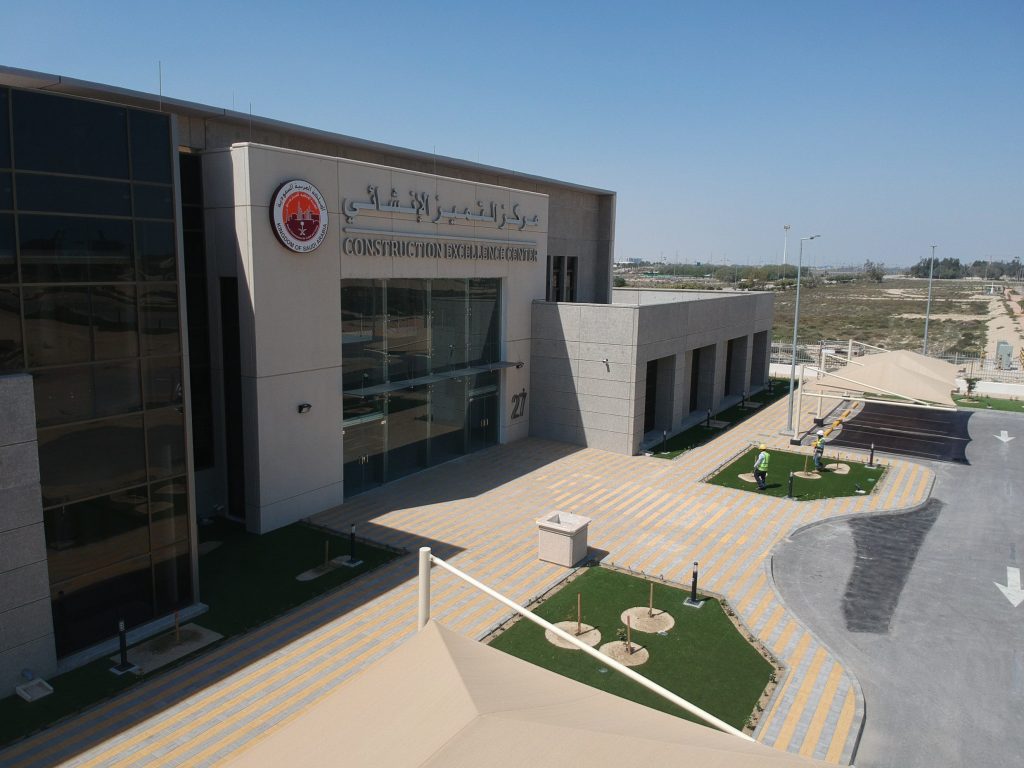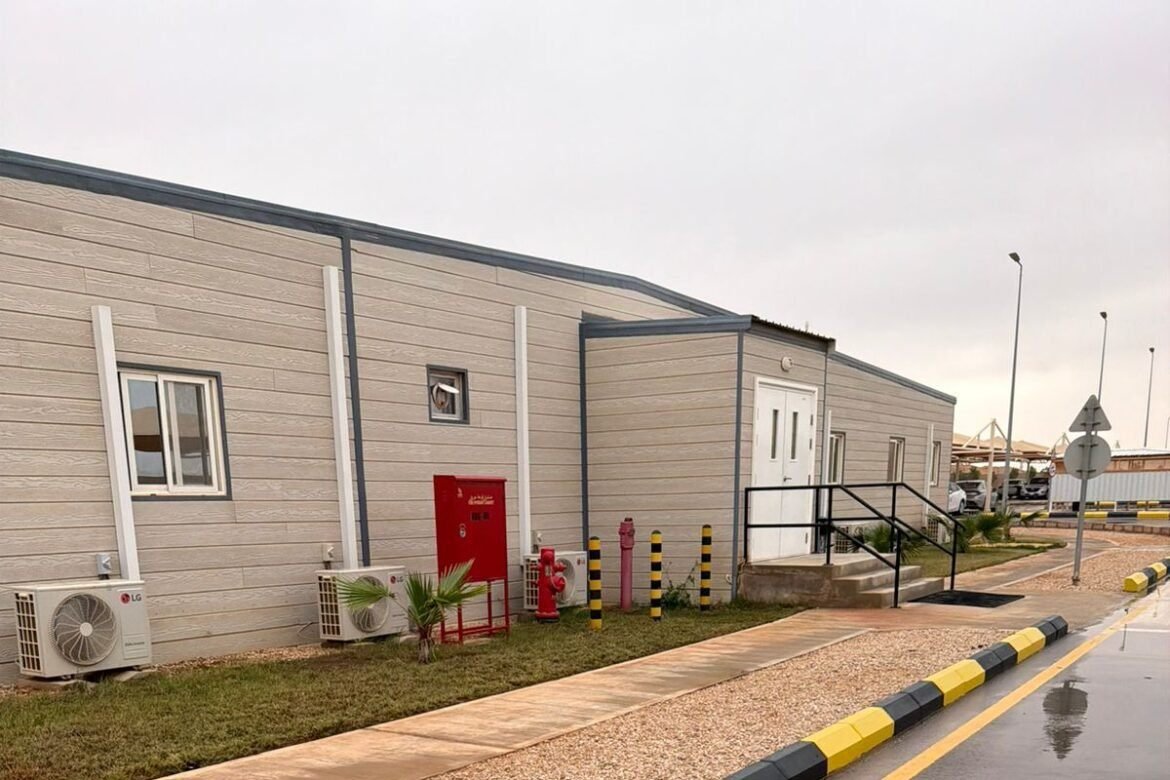
A site office that performs well in Riyadh or Al Khobar's inland industrial zones can start to rust, leak and grow mould within months on the Red Sea coast. Temporary construction facilities in Jeddah face a combination that inland sites rarely see: high humidity for much of the year, salt-laden air, condensation, saline soils and the risk of sudden flash flooding. This guide explains how those conditions affect site offices, labour camps and welfare buildings in the Western Region, and which design, material and coating choices a TCF contractor in Saudi Arabia should make for a coastal project.
The Western Region project context
Jeddah is the Kingdom's main Red Sea port and a major commercial centre, with a busy pipeline of waterfront developments, historic district regeneration, housing, healthcare, infrastructure and hospitality projects. Further along the coast, large tourism and destination developments have brought construction activity to remote shoreline and island sites. Projects in the Makkah region add their own demands, from crowd-related logistics to strict timelines.
What these projects share is the marine environment. Whether the site is in central Jeddah or on an isolated stretch of coastline, temporary buildings will be exposed to moisture and salt for the full project duration, which can run for several years. That makes the initial specification far more important than on a dry inland site.
Why humidity and salt are hard on temporary buildings
Salt particles carried by sea breezes settle on every exposed surface. When humidity rises, especially overnight, those deposits absorb moisture and form a corrosive film on steel, fixings, cable trays and electrical enclosures. Damage typically shows first at cut edges, scratches, bolt holes and joints between different metals.
Humidity causes a second problem inside the buildings. Cold air-conditioned rooms meet warm, humid outdoor air at walls, roofs and around windows, and condensation forms wherever insulation is thin or interrupted. Over time this leads to:
- Damp insulation that loses its thermal performance.
- Mould on ceilings, behind furniture and inside wall cavities.
- Corrosion of the steel frame from the inside.
- Unpleasant odours and complaints from occupants.
- Moisture inside sockets, switches and distribution boards.
Materials and coatings choices for Jeddah sites
Steel frames and fixings
Structural steel for cabins, modular units and pre-engineered buildings should carry corrosion protection specified for a marine environment, such as hot-dip galvanizing or a multi-coat paint system, or both together. Fasteners deserve the same attention: corrosion-resistant bolts and screws, isolation between dissimilar metals, and sealing of drilled holes. Cutting and drilling on site should be followed by proper touch-up, because unprotected edges are where corrosion starts.
Panels, envelope and insulation
Sandwich panels with suitably coated facings, continuous insulation without gaps, and sealed joints at walls, roofs and openings reduce both heat gain and condensation risk. The envelope should be designed so that moisture cannot become trapped, with vapour control on the correct side for an air-conditioned building in a hot, humid climate. Window frames and doors should be selected for coastal exposure and properly sealed.
Roofs and flashings
Roofs collect salt and moisture. Adequate slopes, sealed laps, corrosion-resistant flashings and gutters that drain freely help prevent standing water and the hidden corrosion that follows.
Foundations and ground conditions
Coastal ground in the Jeddah area can include saline soils and a shallow water table. Foundation design should be based on site investigation, with concrete and reinforcement protected against chlorides and sulphates where the ground calls for it, and steel bases kept clear of standing water.
Electrical and MEP components
Outdoor distribution boards, isolators, lighting and AC outdoor units need enclosures and protection suited to humid, salty air, with cable entries sealed and equipment raised above possible flood levels. BoldTarget's coatings and insulation teams work alongside our MEP engineers so that protection is consistent across the building and its services.
Inland versus coastal specification at a glance
| Element | Typical inland approach | Recommended coastal approach in Jeddah |
|---|---|---|
| Structural steel | Standard primer and paint | Galvanizing and/or a marine-grade multi-coat system |
| Fasteners | Standard plated fixings | Corrosion-resistant fixings with isolation from dissimilar metals |
| Panels and joints | Insulated panels, standard sealing | Coated facings, continuous insulation, sealed joints and vapour control |
| HVAC | Sized mainly for sensible heat | Sized for humidity as well, coil protection, condensate drainage |
| Electrical enclosures | Dust-resistant | Dust and moisture resistant, sealed entries, raised mounting |
| Foundations | Standard concrete pads or beams | Design based on investigation, protection against salts where needed |
| Drainage | Basic surface falls | Engineered falls, channels and flood-aware floor levels |
| Maintenance | Routine inspections | More frequent inspections, washing and coating touch-ups |
HVAC and dehumidification
In Jeddah, the cooling system must deal with moisture as well as heat. An AC unit sized only on temperature may cool the room quickly but leave it clammy, which encourages mould and discomfort. The HVAC design should account for the latent load from humidity, fresh air and occupants, keep doors and openings controlled, and provide proper condensate drainage from every indoor unit so water does not drip into walls or ceilings. Outdoor units benefit from coil protection suited to salty air and from positioning that limits direct exposure to sea spray. Our article on HVAC and cooling for temporary site facilities covers load planning in more detail.
Drainage, flooding and coastal sites
Rain in Jeddah is infrequent, but the city has experienced serious flash flooding in the past, and low-lying coastal sites can be affected quickly. A temporary facility should be planned around the site's natural drainage paths, with raised finished floor levels, surface channels directing water away from buildings, and electrical equipment and generators kept above likely water levels. Sewage systems need the same attention: holding tanks and treatment units must be protected from flooding and from groundwater, and the plumbing and drainage works should suit the ground conditions. One MEP contractor handling power, water, drainage and cooling together makes it easier to keep these systems consistent.
Design, buildings and maintenance on the coast
The building type matters. Modular and prefabricated units can perform well on the coast when they are specified for it, while lower-cost units built for dry climates often deteriorate faster. Our guide to modular and prefabricated buildings for TCF explains the options. Whatever the system, the coastal requirements should be written into the specification and shown on the drawings from the start, as covered in our article on TCF design and engineering.
Maintenance is the other half of durability. On coastal sites it pays to inspect more often, wash salt deposits from exposed steel and outdoor units, clear condensate lines, check sealants and repair coating damage before rust spreads. A structured camp O&M and facility management plan keeps the facilities in usable condition through to demobilization and preserves their reuse value.
Build a durable Jeddah TCF with BoldTarget
Coastal facilities need a contractor who treats corrosion, humidity and drainage as engineering issues rather than afterthoughts. BoldTarget combines temporary facility delivery with in-house MEP, insulation and coatings capabilities, so the building envelope, its protection and its services are designed and installed by one accountable team. See how we deliver on our temporary construction facility project, then contact BoldTarget to discuss site offices, labour accommodation or a complete TCF package for your project in Jeddah or on the Red Sea coast.
Frequently Asked Questions
Why do site cabins corrode faster in Jeddah?
Salt carried by sea breezes settles on exposed steel and fixings, and high humidity turns those deposits into a corrosive film. Cut edges, drilled holes and joints between different metals are usually the first places where rust appears if protection is not specified for a marine environment.
How can condensation and mould be prevented in coastal site offices?
Use continuous insulation without gaps, sealed joints and correct vapour control, and size the HVAC for humidity as well as heat. Proper condensate drainage from every indoor unit and controlled fresh air also help keep rooms dry.
Are standard porta cabins suitable for Red Sea coast projects?
They can be used for short durations, but units built for dry inland climates often deteriorate faster on the coast. For longer projects, specify coated steel, corrosion-resistant fixings, sealed envelopes and moisture-resistant electrical components.
Do temporary facilities in Jeddah need flood protection?
Yes. Although rain is infrequent, Jeddah has experienced serious flash flooding, so facilities should follow natural drainage paths, have raised floor levels and keep electrical equipment, generators and sewage tanks protected from water.
Related TCF Guides
- Remote Site Camps in Saudi Arabia: Self-Sufficient Desert Camps
- TCF for Government Projects in Saudi Arabia: Etimad and Compliance
- Staff Accommodation for Construction Projects: Engineers and Managers
- MEP for Temporary Construction Facilities: An Integrated Guide
- TCF contractor in Saudi Arabia: explore our Temporary Construction Facilities services