Every project manager planning a new site eventually asks the same question: what will the temporary facilities cost? Searches for TCF cost Saudi Arabia rarely return a straight answer, and for good reason: the budget depends on the size of the workforce, the site location, the project duration, the specification the client requires and the way the facility is procured. This article explains the main cost drivers, the rent versus buy decision and the value engineering options that help control the budget, so you can prepare a realistic estimate before requesting quotations for temporary construction facility services. We deliberately do not quote prices here: any figure without your scope, site data and schedule would be misleading.
1. Headcount and Scope: The Starting Point
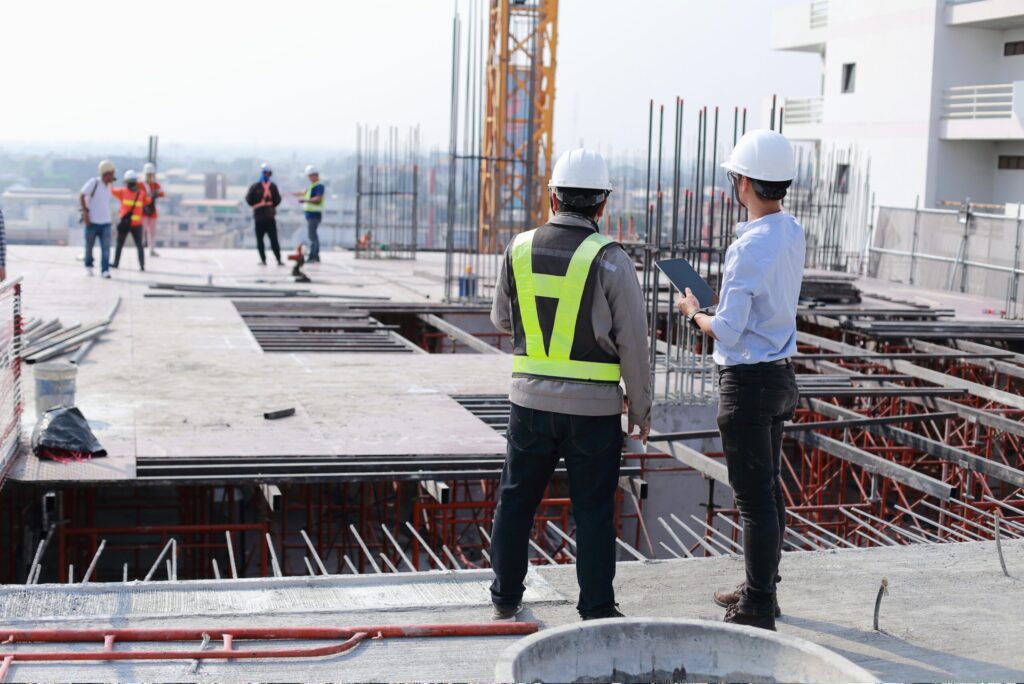
Peak headcount drives almost every other number in a TCF budget. It sets the number of beds, toilets, showers, canteen seats, office desks and parking bays, and it determines water, power and sewage demand. A facility sized for a peak that only lasts a few weeks can carry significant idle cost for the rest of the project.
Scope matters just as much. A package covering site offices only is a very different proposition from a full camp with accommodation, kitchens and dining halls, a clinic, a prayer area, recreation, workshops, stores and laydown yards. Before asking for prices, define:
- The manpower curve over time, not just the peak figure.
- Which facilities are required from day one and which can follow in later phases.
- The client's accommodation and office standards, including room occupancy and finishes.
- Whether operation and maintenance, cleaning or catering are included.
2. Location and Site Conditions
A site on the edge of Khobar or Dammam with nearby utility connections and good road access is far less costly to service than a remote desert location. Remote sites typically need self-sufficient power generation, water haulage or treatment, on-site sewage treatment and longer transport for every cabin and component.
Ground conditions also affect cost. Levelling, compaction, foundations or plinths, internal roads, surface drainage and protection from occasional flash flooding all add to the enabling works. A proper site survey early on reduces the risk of surprises once mobilization starts.
3. Building Type and Specification
The choice between porta cabins, modular units and pre-engineered structures has a direct effect on both initial and lifetime cost. Porta cabins are quick to deploy for small teams; modular systems scale well and can be reconfigured; pre-engineered buildings suit large canteens, workshops and stores that need clear spans. Our comparison of modular and prefabricated site buildings explores the trade-offs in detail.
Within each type, specification drives cost: wall and roof insulation, flooring, internal finishes, furniture, window types and corrosion protection in coastal environments. Higher insulation often costs more upfront but reduces cooling load for the life of the facility, which matters in the Saudi summer.
4. MEP Systems: Often the Largest Variable
In Saudi conditions, mechanical, electrical and plumbing systems frequently represent the most variable part of a TCF budget. Key questions include:
- Cooling: how much air conditioning capacity is needed for the buildings, occupancy and orientation, and which unit types suit dust and heat.
- Power: grid connection versus generators, the number of generator sets, fuel storage, distribution boards and cabling distances.
- Water and drainage: storage tanks, pumps, treatment, hot water and the choice between septic systems and packaged treatment plants.
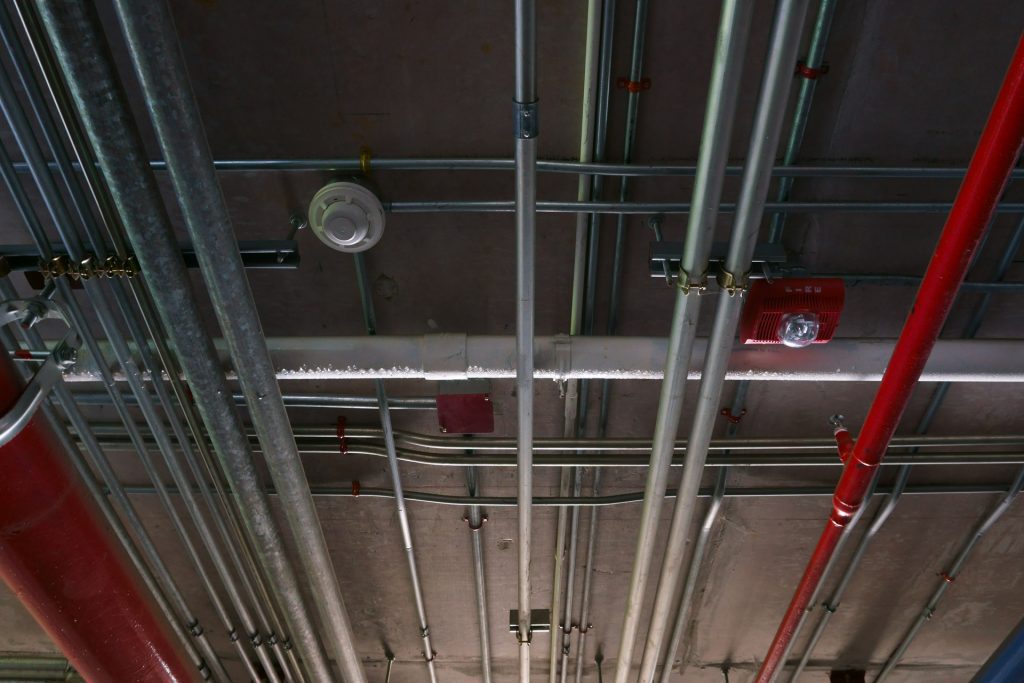
- Fire and low current: fire alarm, extinguishers, hydrants where required, CCTV, access control and network infrastructure.
Integrated design by a single MEP contractor usually reduces duplication, oversizing and coordination clashes, which all translate into cost.
5. Project Duration and the Rent vs Buy Decision
Duration is one of the strongest cost factors because it determines whether renting or buying makes more sense. The right answer depends on your circumstances rather than a fixed rule.
| Factor | Renting tends to suit | Buying tends to suit |
|---|---|---|
| Project duration | Short or uncertain durations | Long durations or multi-phase programs |
| Future reuse | One-off projects | Companies with a pipeline of similar sites |
| Cash flow | Preserving capital | Capital available upfront |
| Maintenance | Supplier handles upkeep | Own team or contractor maintains assets |
| End of project | Units returned to supplier | Units relocated, resold or stored |
Many projects use a hybrid model: buying core structures such as offices or canteens while renting units needed only during the peak.
6. Operating Costs Over the Facility's Life
Capital cost is only part of the picture. Running costs often equal or exceed it on longer projects. They include generator fuel, water deliveries, wastewater removal, waste collection, cleaning, pest control, maintenance of air conditioning and generators, security and, at the end, demobilization and site restoration.
Energy is a major lever. Hybrid systems that combine generators with solar PV can reduce fuel consumption and generator running hours. Read more in our article on solar powered site facilities in Saudi Arabia.
Value Engineering Without Cutting Safety
Good value engineering removes waste, not protection. Practical options include:
- Right-sizing facilities to the manpower curve and phasing installation accordingly.
- Standardizing module sizes so units can be reconfigured or reused.
- Centralizing utilities such as generators, water tanks and treatment plants rather than scattering small systems.
- Securing early grid or water connections where available.
- Investing in insulation and efficient cooling to reduce running costs.
- Planning demobilization at design stage so dismantling and site restoration are faster.
Involving the contractor during pre-construction services gives the most room for these savings, because layout and system decisions are still open. Fire protection, welfare standards and electrical safety should never be the target of cuts.
How to Get Accurate, Comparable Quotations
Quotations can only be compared when they are based on the same information. Provide bidders with a clear scope, the manpower curve, site location and survey data, required standards, the expected duration and a responsibility matrix showing who supplies power, water and permits. Our guide on how to choose a TCF contractor in Saudi Arabia lists the questions to ask before you award. You can also review how BoldTarget approached a recent temporary construction facility project.
Build a Realistic TCF Budget With BoldTarget
Understanding the drivers behind TCF cost lets you make informed decisions on scope, specification and procurement instead of reacting to change orders later. BoldTarget combines general contracting and in-house MEP capability to design facilities that fit your schedule and budget. Learn more about our TCF design and build solutions, then contact BoldTarget to discuss your scope and receive a tailored proposal.
Frequently Asked Questions
What are the biggest factors in TCF cost in Saudi Arabia?
The main drivers are peak headcount and scope, site location and ground conditions, building type and specification, MEP systems such as cooling, power and water, project duration, the rent versus buy decision, and operating costs over the life of the facility.
Is it better to rent or buy temporary site facilities?
It depends on duration, future reuse, cash flow and who will maintain the units. Renting often suits short or one-off projects, buying suits long or repeated programs, and many projects use a hybrid of both.
Why doesn't BoldTarget publish standard TCF prices?
Because every facility differs in headcount, location, specification, utilities and duration. A meaningful figure can only be prepared after reviewing your scope and site data, so we provide tailored proposals instead of generic price lists.
How can I reduce TCF costs without compromising safety?
Right-size facilities to the manpower curve, standardize modules, centralize utilities, secure early utility connections, invest in insulation and efficient cooling, consider solar hybrid power and plan demobilization early, while keeping fire protection, welfare and electrical safety fully intact.
Related TCF Guides
- Temporary Facilities in Jubail and Dammam for Industrial Projects
- Construction Site Layout Planning for Temporary Facilities in KSA
- TCF Contractor Scope of Work: Every Package Explained
- Site Washrooms and Ablution Units: Planning Guide for Saudi Projects
- TCF contractor in Saudi Arabia: explore our Temporary Construction Facilities services