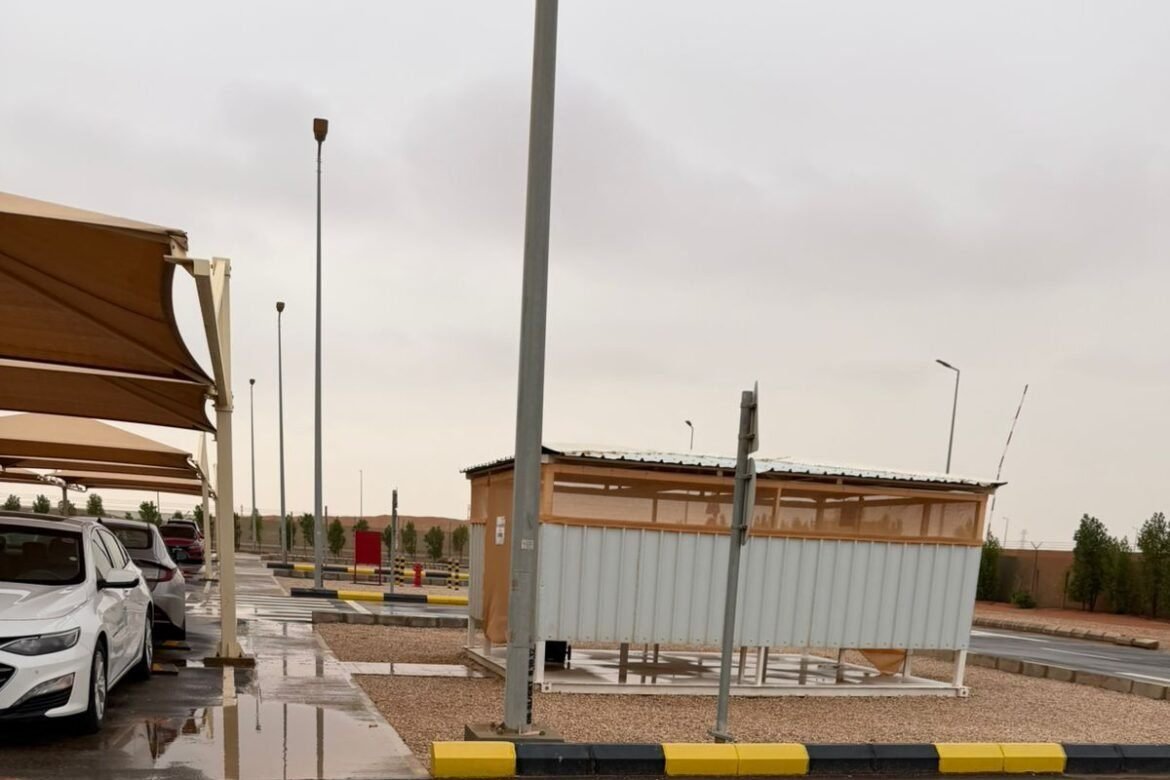
A large construction camp produces waste every hour of every day: food waste from the mess hall, packaging from deliveries, sewage from washrooms, used oil from generators and offcuts from workshops. Good construction camp waste management protects health, prevents pests and odours, keeps the site compliant with environmental rules and avoids complaints from owners and neighbours. Poor waste management is one of the fastest ways to fail an owner inspection or an HSE audit. This guide explains how to plan waste segregation, storage, collection, sewage and sludge handling and recycling for construction camps and sites in Saudi Arabia, and how to design waste management into the temporary facilities from the start.
Know Your Waste Streams
The first step is to identify every type of waste the camp and site will generate, because each stream needs its own containers, storage, collection and disposal route. Mixing streams makes recycling impossible and can turn ordinary waste into hazardous waste.
| Waste stream | Main sources | Typical handling | Key risk if mismanaged |
|---|---|---|---|
| General domestic waste | Accommodation, offices, recreation areas | Closed bins, frequent collection to an approved disposal site | Odours, pests, windblown litter |
| Food waste | Kitchens, mess halls, rooms | Sealed bins, frequent removal, cleaned bin areas | Rapid decay in heat, pests, disease |
| Used cooking oil and grease | Kitchens and grease traps | Collection in closed containers by licensed collectors; regular grease trap emptying | Blocked drains, sewer overflows, fire risk |
| Sewage and sludge | Washrooms, kitchens, laundries, treatment plants | Sewer connection, holding tanks emptied by tanker, or on-site treatment with sludge removal | Overflows, contamination, odour complaints |
| Construction waste | Concrete, timber, steel, packaging, offcuts | Segregated skips, reuse and recycling where possible | Cluttered site, trip hazards, wasted recyclable material |
| Hazardous waste | Used oil and filters, chemicals, paint, batteries, oily rags, lamps | Bunded, labelled, secured store; licensed hazardous waste contractor | Soil contamination, fire, regulatory breach |
| Medical waste | Site clinic and first aid rooms | Dedicated containers and a specialist licensed collector | Infection, needle-stick injuries |
Segregation at Source
Segregation works only if it is easy. Place the right bins in the right places and make them impossible to misunderstand:
- Use colour-coded, lidded bins with clear pictograms and labels in the languages spoken in the camp.
- Put general and recyclable bins beside each accommodation block, office and recreation building, food waste bins at kitchens and mess halls, and scrap bins at workshops.
- Provide separate, controlled containers for hazardous items such as batteries, oily rags and paint tins.
- Include waste rules in worker and staff inductions and repeat them in toolbox talks.
- Inspect bin areas routinely and act quickly on contamination or overflowing bins.
Kitchen and Grease Waste
Kitchens are the biggest source of problems in camp waste systems. Food waste decays fast in Saudi heat, so it should be stored in sealed containers in a shaded, washable area and removed frequently. Used cooking oil should never go down the drain; it should be collected in closed containers for licensed collection, which in many cases allows it to be recycled. Grease traps must be sized for the kitchen and emptied on a schedule, not only when the drains block. Pest control, cleaning of bin areas and municipality food-safety expectations all link back to how waste is handled. These points are explored further in our guide to mess halls and kitchens for construction camps.
Sewage, Holding Tanks and Treatment Plant Sludge
How sewage is handled depends on what is available near the site:
- Connection to a municipal sewer where a network is close enough and the authority approves the connection.
- Holding tanks or septic tanks emptied by licensed vacuum tankers and taken to an approved treatment facility.
- Package sewage treatment plants (STPs) on larger or remote camps, producing treated effluent and sludge that must be removed and disposed of properly.
Each option needs correct sizing, reliable emptying or maintenance schedules, odour control and access roads for tankers. Treated effluent may be reused for dust suppression or irrigation only where the owner and the authorities permit it and the quality is monitored. BoldTarget designs these systems through our plumbing and drainage service, as described in our guide to water supply and sewage for temporary construction sites.
Skips, Waste Yards and Licensed Haulers
A central waste yard brings order to collection. It should have firm hardstanding, fencing, lighting, signage, a water point for washing bins and enough space for trucks to swap skips without reversing across busy routes. Separate skips for concrete and masonry, timber, metals, cardboard and general waste make recycling possible and reduce disposal costs.
Collection frequency should be driven by volume and heat, not by a fixed calendar alone: food and general waste cannot wait in summer. Use waste contractors licensed by the relevant Saudi authorities, and keep transfer records or manifests showing what was removed, by whom and where it went. Saudi Arabia's waste regulatory framework, overseen by the National Center for Waste Management (MWAN), has raised expectations for proper licensing, documentation and recycling, and owners increasingly check these records during audits.
Recycling and Waste Reduction
The cheapest waste to manage is the waste never produced. Practical reduction and recycling measures include:
- Asking suppliers to reduce packaging and take back pallets and drums.
- Reusing formwork and timber across several pours, and turning offcuts into small items on site.
- Collecting steel scrap and cable offcuts for recycling.
- Crushing clean concrete waste for use as fill or sub-base where the specification allows.
- Recycling cardboard, plastic bottles and cans from the camp.
- Choosing modular and reusable buildings that can be relocated rather than demolished at the end of the project.
These measures support the sustainability and circular-economy goals that Vision 2030 has brought to the construction sector, and they reduce the number of truck movements leaving the site.
Roles, Records and Monitoring
A written waste management plan, usually part of the site environmental or HSE plan, should define responsibilities, waste streams, containers, storage areas, collection arrangements, licensed contractors and records. Assign a named person to supervise waste daily, include waste areas in routine inspections and track simple indicators such as overflowing bins, recycling rates and complaints. When the camp moves into its operation phase, waste handling becomes part of the facility management contract, as explained in our article on camp O&M and facility management. The wider HSE context is covered in our guide to HSE requirements for temporary construction facilities.
Designing Waste Management into the TCF
Many waste problems are really design problems: no space for a waste yard, kitchens without grease traps, tanks without tanker access or bin areas without drainage and water. A TCF contractor in Saudi Arabia with in-house MEP capability can solve these at the layout stage: drainage falls and grease traps in kitchens, sewage tanks or STPs with access roads, a fenced waste yard with power and lighting, and bunded stores for hazardous materials. Our general contracting teams then build the hardstanding, enclosures and roads, while our HSE team helps set up the procedures that keep the system working.
Plan a Clean, Compliant Camp with BoldTarget
BoldTarget builds temporary construction facilities with waste management designed in from day one, from kitchen drainage and sewage systems to waste yards and hazardous stores. See our temporary construction facility project in Saudi Arabia, and contact our team to plan a camp that stays clean, healthy and audit-ready.
Frequently Asked Questions
What are the main types of waste in a construction camp?
The main streams are general domestic waste, food waste, used cooking oil and grease, sewage and sludge, construction waste such as concrete, timber and steel, hazardous waste such as used oil, chemicals and batteries, and medical waste from the site clinic. Each stream needs its own containers, storage and licensed disposal route.
How often should waste be collected from a construction camp in Saudi Arabia?
Collection frequency should follow volume and temperature rather than a fixed calendar. Food and general waste decay quickly in heat and need frequent removal, especially in summer, while skips for inert construction waste can be emptied when full. The schedule should be written into the waste management plan and reviewed after inspections.
Who can collect and dispose of construction camp waste?
Waste should be handled by contractors licensed by the relevant Saudi authorities, with records showing what was collected and where it was taken. Hazardous and medical waste need specialist licensed collectors. Owners and auditors often ask to see these records.
What should be done with grease and used cooking oil from camp kitchens?
Kitchens need correctly sized grease traps that are emptied on a regular schedule. Used cooking oil should be collected in closed containers for a licensed collector and never poured into drains, as it causes blockages and overflows. Many collectors can recycle the oil.
Related TCF Guides
- Camp O&M and Facility Management for Construction Camps
- Relocating and Reusing TCF Buildings: Reuse and Buy-Back Guide
- How to Choose a TCF Contractor in Saudi Arabia: Criteria & Red Flags
- Construction Site Security & CCTV in Saudi Arabia: A Practical Guide
- TCF contractor in Saudi Arabia: explore our Temporary Construction Facilities services