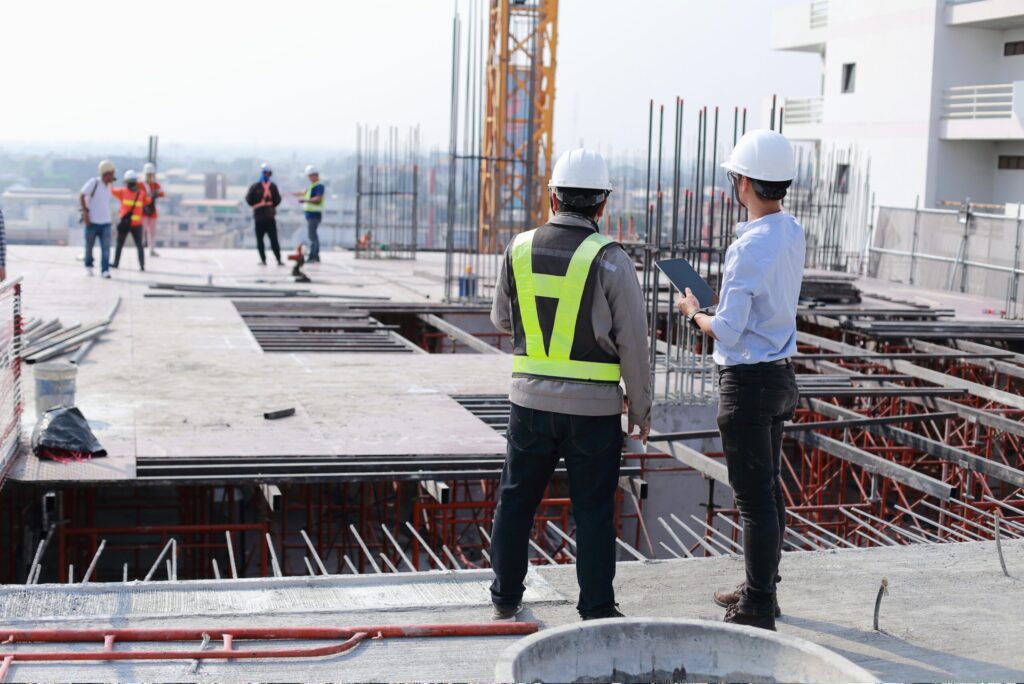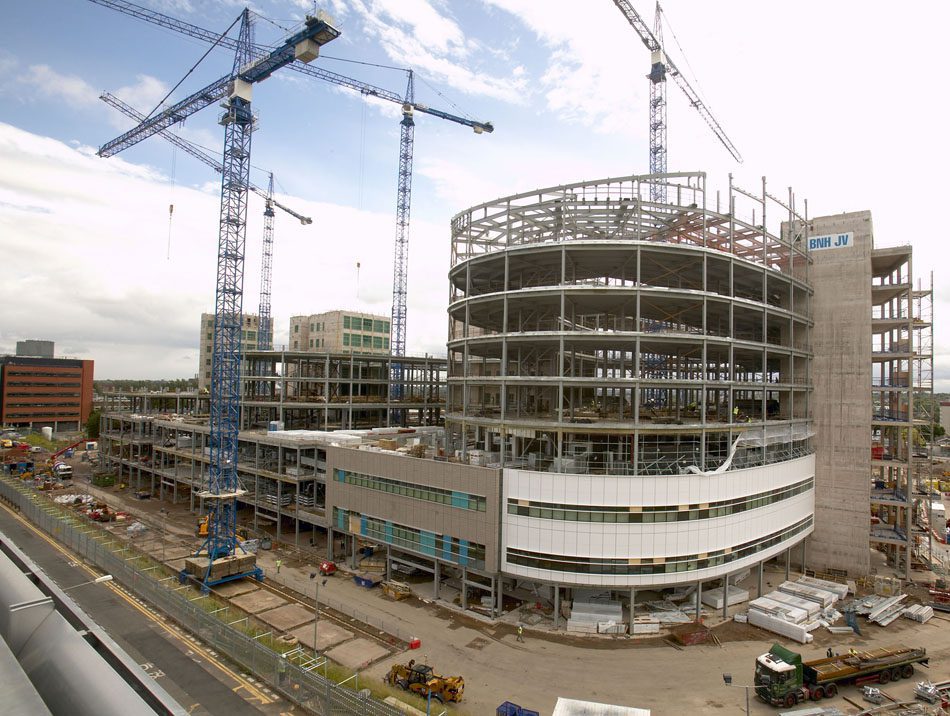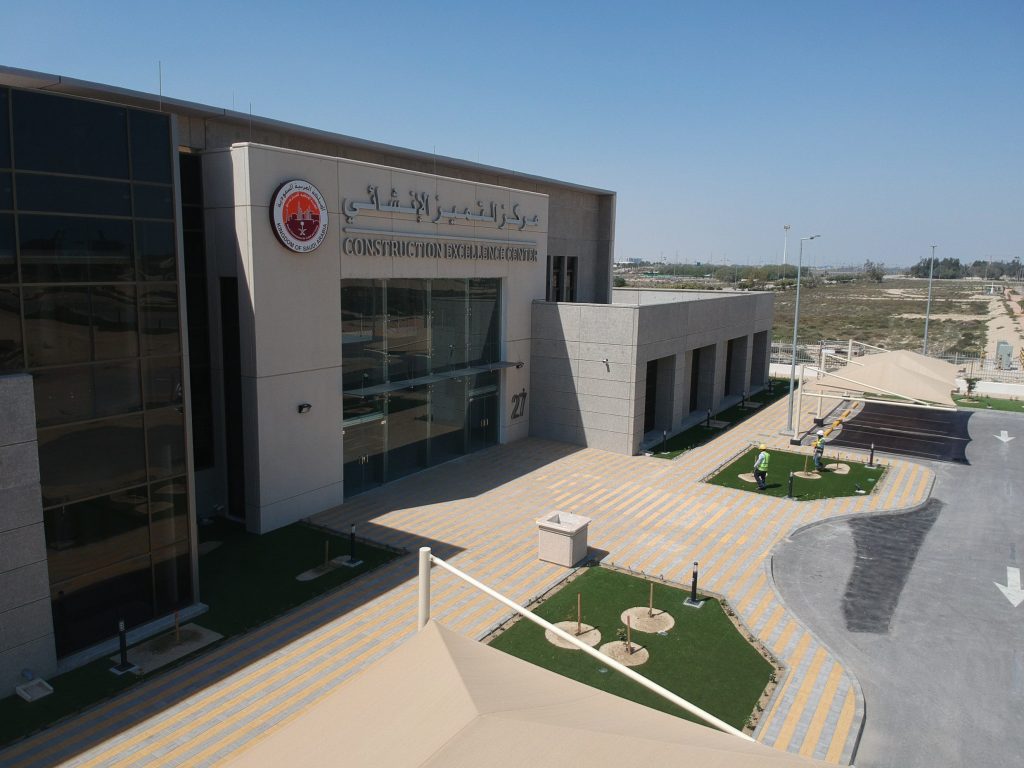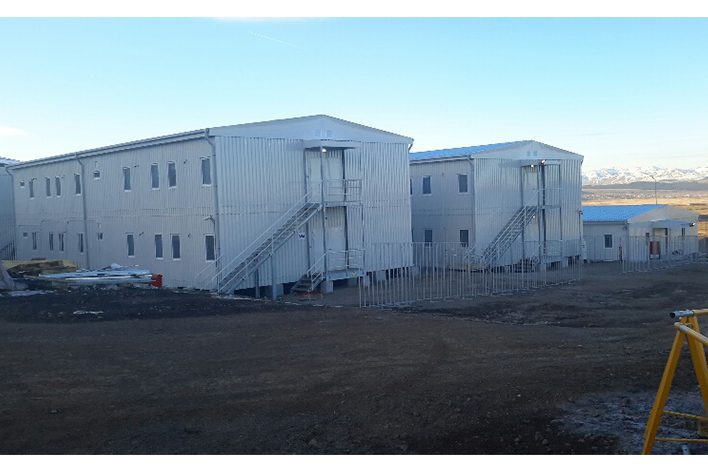
On any major project, the temporary camp and site offices are where people sleep, eat, plan and recover, so the standard of health, safety and environment (HSE) there shapes the whole job. Getting HSE for temporary construction facilities right in Saudi Arabia means more than posting signs: it means designing welfare, first aid, emergency routes and inspection routines into the facility from day one. This guide sets out the practical requirements clients and main contractors should expect, and how BoldTarget builds them into its temporary construction facility services.
Why HSE Starts at the Design Stage
Most HSE problems on temporary facilities are built in long before the first worker arrives. A cabin placed too close to a fuel store, a single exit from a crowded canteen, or a toilet block upwind of the kitchen cannot be fixed with a toolbox talk. That is why HSE should be part of layout, MEP design and procurement rather than an afterthought handed to the safety officer once the cabins are already standing.
In practice, this means reviewing the facility layout against Saudi Civil Defense expectations, the Saudi Building Code (SBC) and the client's own HSE plan before fabrication starts. It also means aligning with the main contractor's HSE management system so that inspection records, permits and incident reporting flow through one process. BoldTarget's approach follows its HSE policy, with safety reviews built into each design and installation stage.
Worker Welfare: The Foundation of a Safe Site
Tired, dehydrated or poorly housed workers make mistakes. Welfare is therefore a safety control, not a perk. Saudi labor-accommodation standards and most client specifications focus on several core areas:
- Accommodation: adequate space per occupant, ventilation, lighting and secure storage for personal belongings.
- Sanitation: enough toilets, showers and wash basins for the headcount, cleaned on a set schedule and served by a reliable water and drainage system.
- Food hygiene: kitchens and dining halls with washable surfaces, pest control, cold storage and separation between raw and cooked food.
- Drinking water: safe, cool potable water available at the camp and at work fronts throughout the shift.
- Rest areas: shaded, cooled rest shelters close to work areas for breaks during the hottest hours.
For the detailed planning of living quarters, see our guide to worker accommodation and labor camps in Saudi Arabia.
Heat Stress Management
Summer conditions in the Eastern Province, with high temperatures, humidity and dust, make heat stress one of the most serious occupational risks on any site. Temporary facilities support heat stress control through properly sized air conditioning in cabins and rest areas, insulated roofs and walls, chilled water stations and work schedules that respect the national midday outdoor work restrictions in summer. Reliable HVAC systems are a health requirement here, not a comfort upgrade.
First Aid and Medical Facilities
Every temporary facility needs a clear plan for injuries and illness, scaled to the workforce size and the distance to the nearest hospital. Typical provisions include:
- A first aid room or clinic with a treatment couch, hand-washing facilities, cooling and a reliable power supply.
- Stocked first aid kits at offices, workshops, canteens and accommodation blocks, with an inspection log.
- Trained first aiders on every shift, with names and contact numbers clearly displayed.
- Eye-wash stations and emergency showers wherever chemicals, coatings or batteries are handled.
- Clear vehicle access for an ambulance to reach the clinic and the main assembly points.
Remote sites need extra thought. Longer response times may justify a larger medical facility, a dedicated ambulance and a documented medical evacuation procedure agreed with the client before mobilization.
Emergency Routes, Assembly Points and Fire Safety
Emergency planning is where layout and HSE overlap most. Each building needs the required number of exits, unobstructed escape routes and emergency lighting. Across the camp, roads must allow fire tenders and ambulances to reach every block, and assembly points must sit at a safe distance from buildings, fuel stores and gas cylinders.
Key elements to plan include:
- Fire separation distances between cabin clusters, kitchens, generators and hazardous material stores.
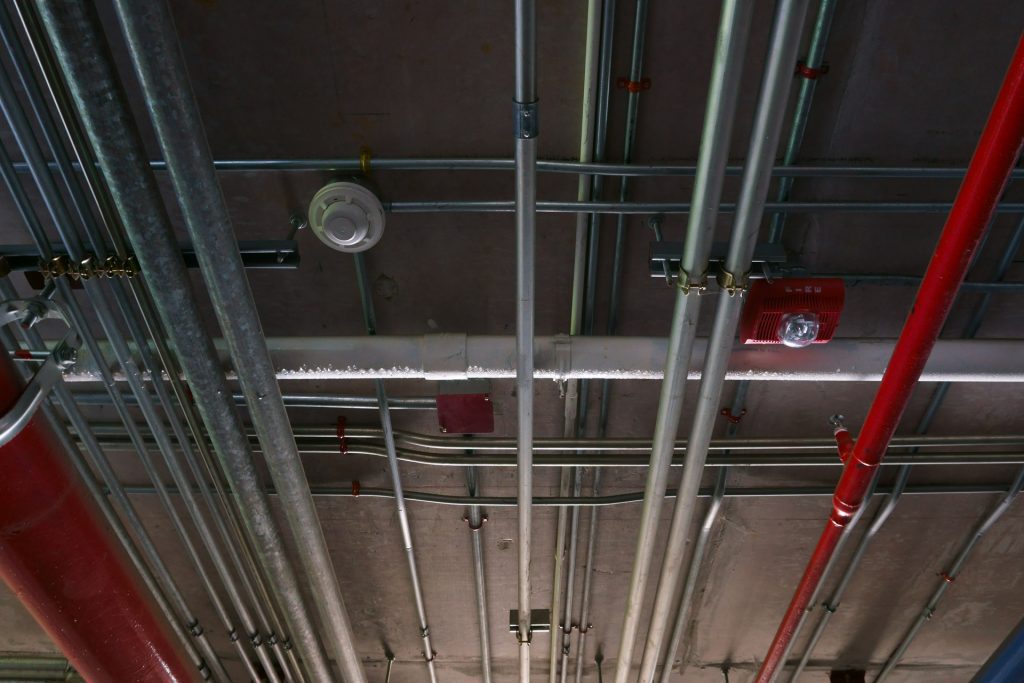
- Fire alarm and detection systems linked to a monitored panel, delivered through our low current and fire alarm services.
- Portable extinguishers, fire hose reels and, where required, hydrants and fire water storage from our fire fighting and safety team.
- Illuminated exit signs, emergency lighting and alarm sounders audible in every occupied area.
Our article on fire safety for temporary construction facilities covers Civil Defense expectations in more depth.
Electrical, Plumbing and Environmental Controls
Temporary does not mean informal. Many incidents on construction camps trace back to overloaded extension cables, missing earthing or poor drainage. Safe electrical installations use properly rated distribution boards, residual current protection, earthing that is tested and recorded, and cable routes protected from vehicles and weather.
On the environmental side, the facility should manage wastewater, solid waste and fuel without contaminating the site. That includes correctly sized septic tanks or treatment units, sealed fuel storage with secondary containment, segregated waste collection points and dust control on internal roads. Well-designed plumbing and drainage also prevents standing water that attracts pests and creates slip hazards.
Inspections, Audits and Continuous Improvement
A facility that is fully compliant on handover day can drift out of compliance within weeks if nobody checks it. A practical inspection regime usually combines:
- Daily checks of housekeeping, exits, fire extinguishers and welfare areas by the camp team.
- Weekly inspections of electrical boards, generators, water quality points and kitchens.
- Monthly audits against the client's HSE plan, with findings tracked through to closure.
- Periodic drills for fire evacuation and medical emergencies, with lessons fed back into procedures.
Records matter as much as the inspections themselves. Clients and authorities increasingly expect well-organized logs showing who inspected what, when, and what was corrected.
How BoldTarget Builds HSE Into Every TCF
As a general and MEP contractor, BoldTarget designs and installs the systems that make a temporary facility safe: power, cooling, water, drainage, fire protection and low current. Keeping these under one team reduces the gaps that appear when several subcontractors each handle one piece. You can see this approach in our temporary construction facility project in Saudi Arabia.
We also plan the layout itself, so that separation distances, emergency access and welfare locations are fixed early. For more on that stage, read our guide to construction site layout planning.
Plan a Safer Temporary Facility
Strong HSE on temporary facilities protects your workforce, your schedule and your standing with the client. If you are preparing a new site in Khobar, Dammam, Jubail or anywhere in the Kingdom, involve BoldTarget early so that HSE is designed in rather than added later. Explore our TCF design and build services or contact our team to discuss your project requirements.
Frequently Asked Questions
What are the main HSE requirements for temporary construction facilities in Saudi Arabia?
The core requirements cover worker welfare (accommodation, sanitation, food hygiene, drinking water and rest areas), first aid and medical provision, emergency routes and fire protection that meet Saudi Civil Defense expectations, safe electrical and plumbing installations, environmental controls, and a regular inspection and audit routine.
Who is responsible for HSE in a temporary construction facility?
Responsibility is usually shared. The client sets HSE requirements, the main contractor manages the site HSE system, and the TCF contractor must design, install and maintain facilities that comply. A clear responsibility matrix agreed before mobilization avoids gaps.
How do temporary facilities help control heat stress?
By providing properly sized air conditioning in cabins and rest shelters, insulated buildings, cool potable water at the camp and work fronts, and shaded rest areas, combined with work schedules that respect the summer midday outdoor work restrictions.
How often should temporary construction facilities be inspected?
A practical regime combines daily housekeeping and fire equipment checks, weekly inspections of electrical, generator, water and kitchen areas, monthly audits against the client's HSE plan, and periodic emergency drills, all with documented records.
Related TCF Guides
- TCF Cost in Saudi Arabia: Key Drivers, Rent vs Buy and Savings
- Temporary Facilities in Jubail and Dammam for Industrial Projects
- Construction Site Layout Planning for Temporary Facilities in KSA
- Temporary Warehouses for Construction Sites in Saudi Arabia
- Explore our Temporary Construction Facilities (TCF) services