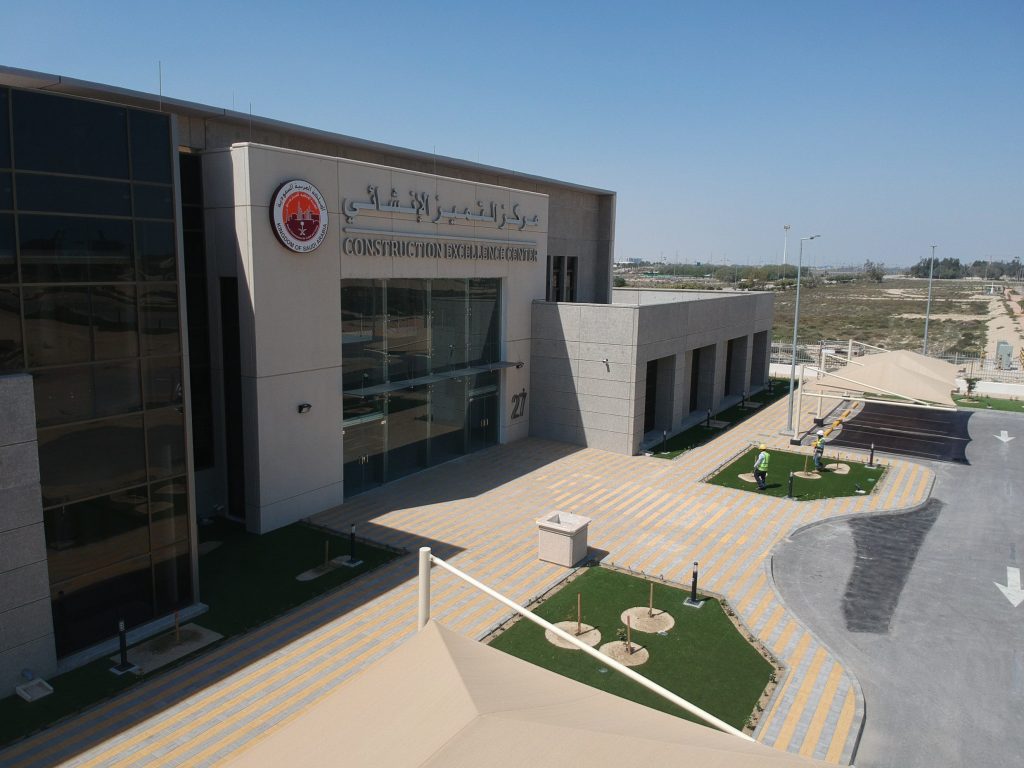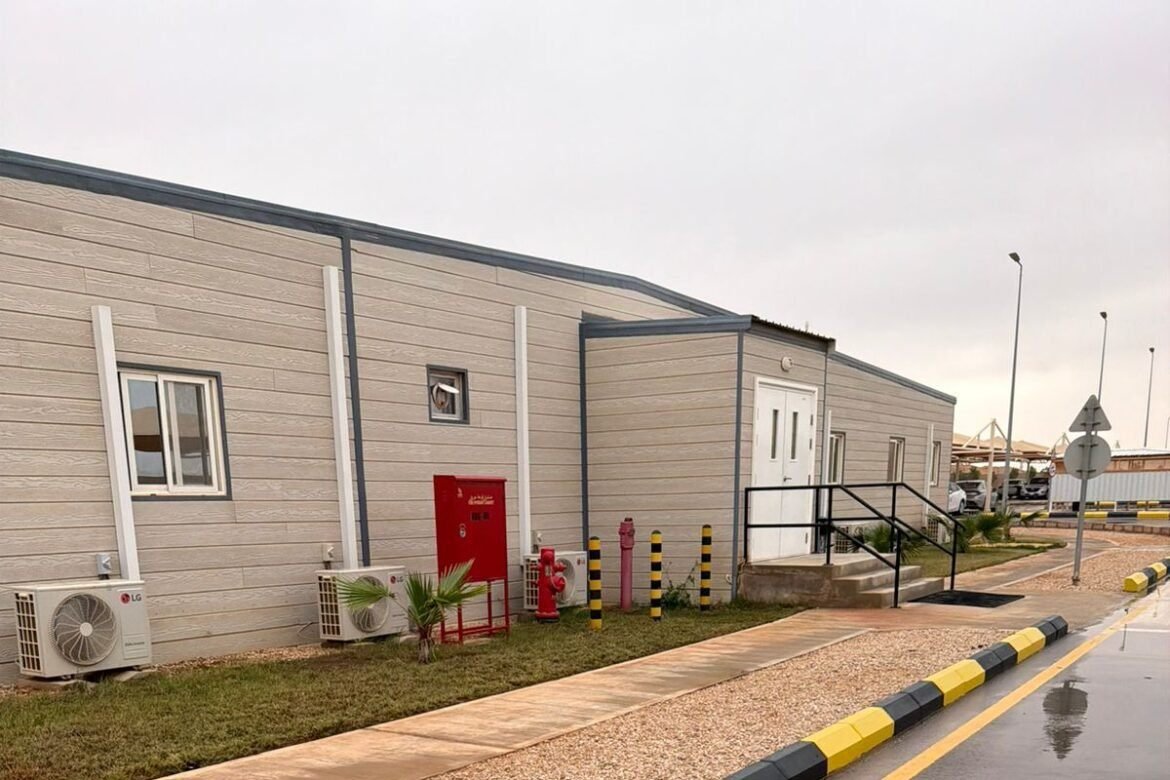
Most temporary construction facilities are removed when the project ends, but removal does not have to mean waste. Site offices, labour accommodation blocks, warehouses and much of the MEP equipment can be dismantled, refurbished and put back into service on the next project. Relocating and reusing TCF buildings can lower the cost of the next mobilization, shorten lead times and reduce the environmental footprint of construction. This guide explains which buildings are suitable for reuse, how to design for relocation from day one, what dismantling and refurbishment involve, and how buy-back and transfer arrangements work in practice.
Why reuse TCF buildings?
Contractors and owners in Saudi Arabia run a steady pipeline of projects, from Eastern Province industrial plants to Vision 2030 developments. Building new facilities from scratch for every site means repeated manufacturing, repeated procurement lead times and large volumes of demolition waste. Reuse changes the equation:
- Lower capital cost: refurbishing an existing unit is often cheaper than buying a new one, depending on condition and transport distance.
- Faster mobilization: units already in stock avoid manufacturing queues at the start of a project.
- Less waste: fewer cabins, panels and fittings go to landfill at demobilization.
- Sustainability credentials: reuse supports the circular-economy and sustainability goals that many owners and government clients now ask contractors to demonstrate.
Which TCF buildings can be relocated?
Reuse potential depends mostly on the building system chosen at the start. The table below compares common TCF systems.
| Building system | Reuse potential | What to watch |
|---|---|---|
| Single-piece portable cabins | High: lifted and moved as one unit | Transport size limits, damage during lifting, floor and roof condition |
| Flat-pack and container-type modules | High: designed for repeated assembly | Lost or damaged connectors, gasket and sealant renewal |
| Panelized LSF modular buildings | Good when bolted and documented | Panel numbering, fixing method, insulation and finish condition |
| Steel-framed sheds and PEB warehouses | Good: frames and sheeting can be re-erected | Anchor bolt layout at the new site, corrosion, sheeting damage |
| Shade structures and canopies | Good | Fabric or sheet condition after long UV exposure |
| Site-built blockwork or cast-in-place structures | Very low | Usually demolished; only fittings and equipment are recovered |
MEP equipment is often the most valuable part to recover: generators, AC units, distribution boards, water tanks, pumps, water heaters and package sewage treatment plants can all be tested, serviced and redeployed.
Design for reuse from day one
The biggest reuse gains are decided before the first cabin is delivered. When we plan facilities as a TCF contractor in Saudi Arabia, these principles make later relocation easier:
- Standard module sizes that fit normal transport and can be combined into different layouts at the next site.
- Bolted rather than welded connections between modules, frames and stairs.
- Plug-in MEP connections such as flexible plumbing joints and modular electrical connectors between units.
- Foundations that are easy to remove, for example precast pads or skid supports instead of heavy cast-in-place work where the design allows.
- Coatings and materials suited to the climate, so units arrive at the next site without heavy corrosion or UV damage.
- Full documentation: drawings, panel numbering, asset tags and maintenance records for every unit.
Light steel framing is well suited to this approach. Our light steel framing solutions can be engineered as demountable modules, and our article on modular and prefabricated buildings for TCF compares the main systems in more depth.
Dismantling and transport, step by step
Relocation is a construction activity in its own right and needs the same planning, HSE controls and supervision as installation.
- Condition survey: inspect each unit and record what is reusable, what needs repair and what should be scrapped.
- Utility isolation: safely disconnect power, water, drainage and fuel, and empty tanks and septic systems through licensed providers.
- MEP strip-out: remove AC units, light fittings, boards and fixtures that travel separately.
- Dismantling: unbolt modules, stairs and walkways, label every part and protect openings.
- Lifting and loading: follow an approved lifting plan with certified equipment and rigging.
- Transport: secure loads, arrange any permits needed for oversize loads and plan routes.
- Site restoration: remove foundations, backfill and leave the original site clean.
These steps fit within the wider exit plan described in our guide to TCF mobilization and demobilization planning.
Refurbishment before redeployment
A relocated building should arrive at the new site in a condition the next client will accept. Typical refurbishment work includes:
- Renewing roof sealants, door seals and damaged insulation.
- Replacing worn flooring, ceiling tiles and sanitary fittings.
- Repainting or recoating, especially for units returning from humid coastal sites.
- Servicing and testing AC units, and re-testing electrical installations before energizing.
- Pressure testing plumbing and checking water heaters.
- Updating fire alarm devices, extinguishers and emergency lighting to the new site's requirements.
BoldTarget's in-house MEP contracting teams can test and recommission the electrical, HVAC and plumbing systems so the reused facility performs like a new one.
Protecting reuse value during operation
Reuse value is earned or lost while the camp is occupied. Units that are cleaned, serviced and repaired promptly keep far more value than units left to deteriorate. Keep the asset register up to date, record every repair and modification, avoid cutting new openings or welding attachments that make dismantling harder, and fix roof leaks quickly before they damage insulation and floors. A good operation and maintenance regime is the cheapest refurbishment programme available.
Buy-back, transfer and other commercial options
How the buildings are reused depends on how they were procured. Common arrangements include:
- Buy-back: the supplier or contractor agrees at the start to purchase the units back at the end of the project.
- Transfer to the next project: the client keeps ownership and redeploys the units to another of its own sites.
- Rental return: rented units simply go back to the owner, who is responsible for reuse.
- Resale or trade-in: units are sold on the secondary market or traded against new facilities.
Buy-back value depends on the unit's age and condition, how standardized the design is, documented maintenance history, market demand at the time and the location of the site. Agreeing the basis for valuation in the contract avoids disputes at demobilization. Our article on TCF contract models: lump sum, rental and lease explains how buy-back fits alongside the other commercial options.
The cost case for reuse
Reuse is not automatically cheaper. A fair comparison looks at all the cost factors together.
| Cost factor | New facilities | Relocated facilities |
|---|---|---|
| Building cost | Full manufacturing cost | Refurbishment cost, depending on condition |
| Lead time | Manufacturing queue and delivery | Available from stock after refurbishment |
| Transport | From factory to site | Dismantling, loading and transport from the previous site |
| Fit to new layout | Designed for the site | Layout may need to adapt to available modules |
| Approvals | Standard submittals | Condition reports and re-testing may be requested |
| End-of-life value | Highest residual value | Lower but still recoverable value |
Reused buildings also need a new design check for the new site: layout, foundations, wind exposure and utility connections all change. Our guide to TCF design and engineering drawings covers what must be re-issued. Larger reusable structures such as stores and workshops can also draw on our industrial and pre-engineered buildings experience.
Plan your TCF for its second life with BoldTarget
On our temporary construction facility project in Saudi Arabia, we approached the facilities as a complete system covering buildings, utilities and MEP, which is the same mindset needed to plan reuse. Whether you are planning new facilities designed for relocation or want to move existing buildings to your next site, contact BoldTarget to discuss dismantling, refurbishment and redeployment.
Frequently Asked Questions
Can site cabins and porta cabins be reused on another project?
Yes, most factory-built cabins and modular units can be reused if they are in good condition and were installed with removable connections. They usually need inspection, refurbishment and re-testing of electrical and plumbing systems before redeployment. Site-built blockwork structures, by contrast, are rarely reusable.
What is a TCF buy-back agreement?
A buy-back agreement is a commitment, made when the facilities are purchased, for the supplier or contractor to buy the units back at the end of the project. The contract should set out how the buy-back value will be assessed, including condition, age and maintenance records, to avoid disputes at demobilization.
Is relocating TCF buildings cheaper than buying new?
It often can be, but it depends on the condition of the units, the distance between sites, the refurbishment needed and whether the modules fit the new layout. A fair comparison includes dismantling, transport, refurbishment, approvals and the residual value of both options.
Do relocated TCF buildings need new approvals?
Usually yes. The new site will have its own layout, foundations, utility connections and fire safety arrangements, so owner, consultant and authority approvals are typically required again. Condition reports and test certificates for reused units help these approvals move faster.
Related TCF Guides
- TCF Permits and Approvals in Saudi Arabia: A Practical Guide
- TCF Design and Engineering: Drawings and Deliverables Explained
- Worker Accommodation Construction in Saudi Arabia: Labor Camp Guide
- Turnkey TCF Design and Build in Saudi Arabia: Single-Point Delivery
- TCF contractor in Saudi Arabia: explore our Temporary Construction Facilities services