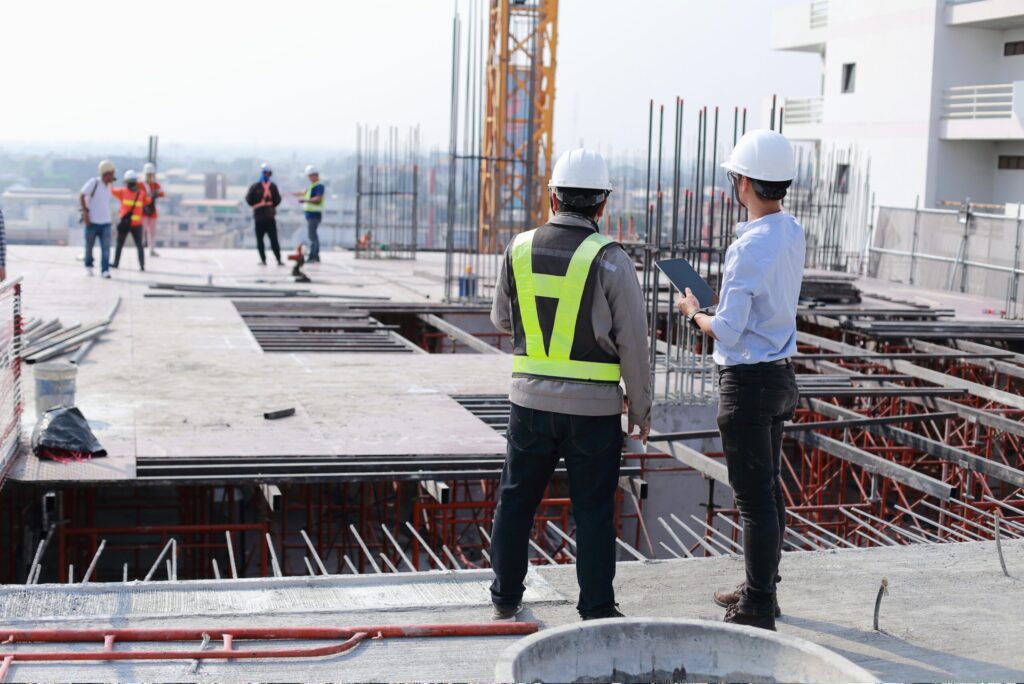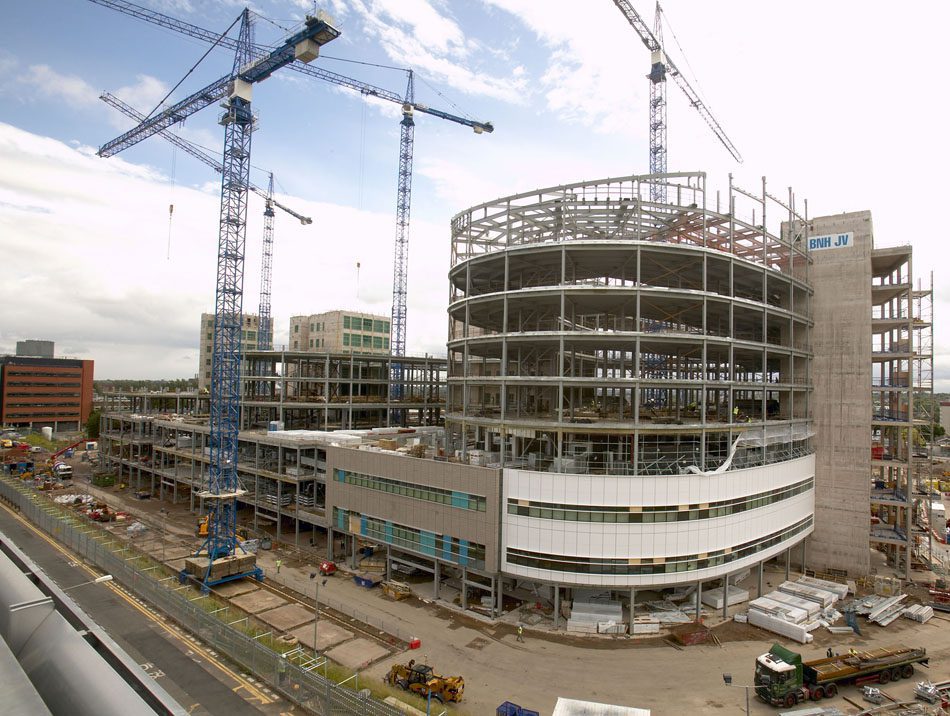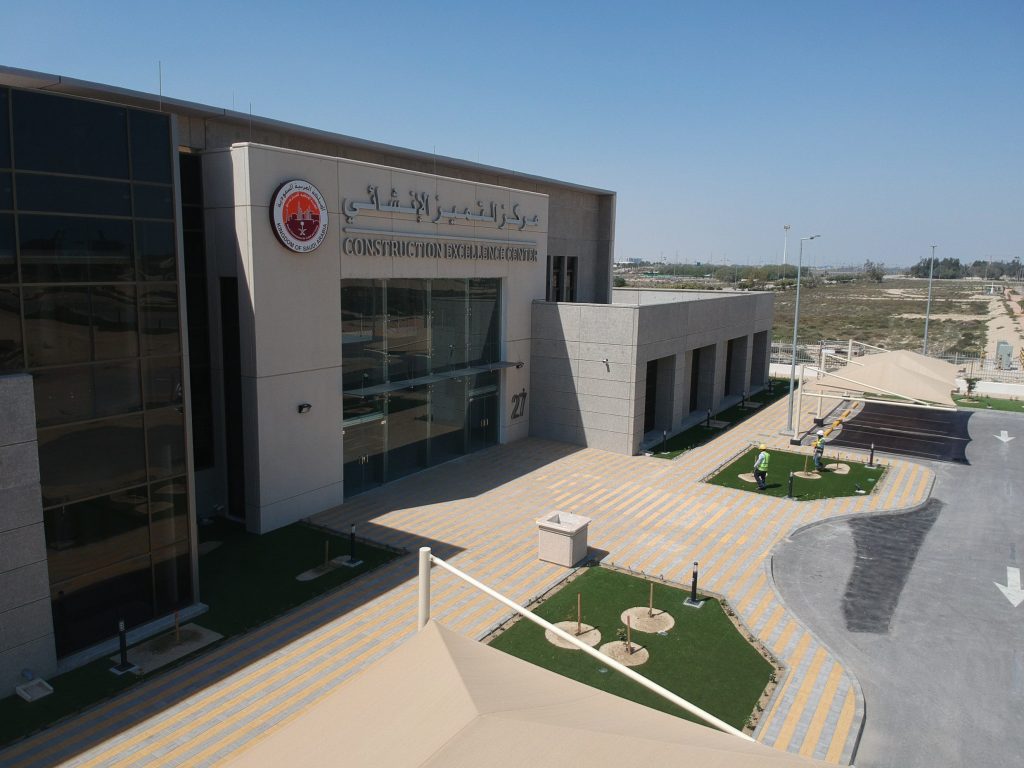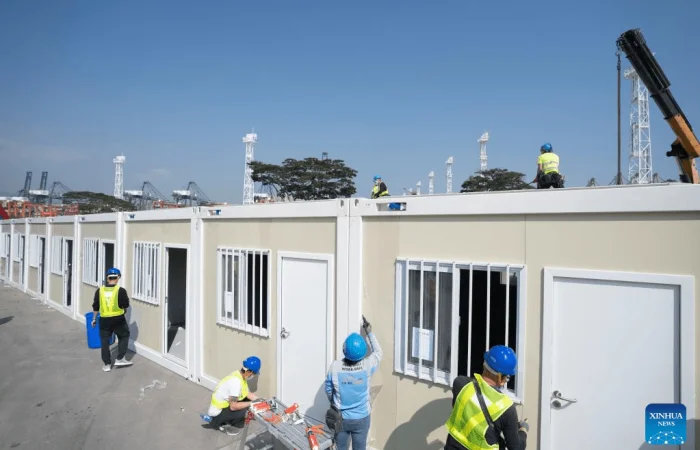
Every construction project in Saudi Arabia depends on materials arriving, being stored safely and reaching the workface on time. Temporary warehouses for construction sites are the part of the site that makes this possible: enclosed stores for sensitive items, shaded areas for heat-sensitive materials and open laydown yards for steel, pipe and equipment. When they are planned well, they reduce losses, protect manufacturer warranties and keep crews productive. When they are an afterthought, materials degrade in the sun, go missing or block access roads. This guide explains how to plan temporary storage as part of a complete temporary construction facility (TCF) package.
Why temporary storage deserves proper planning
Materials are usually one of the largest cost items on a project, and much of their value sits on site for weeks or months before installation. In the Eastern Province, that period exposes them to intense summer heat, coastal humidity, wind-blown dust and occasional heavy rain. A well-designed storage area protects that investment and supports:
- Schedule reliability – the right items are available when crews need them.
- Quality and warranty compliance – many manufacturers specify storage conditions for cables, insulation, coatings, adhesives and electronic equipment.
- Safety – organised stacking, clear aisles and segregated hazardous materials reduce incidents.
- Cost control – less damage, less theft and fewer emergency re-orders.
Types of temporary storage on a construction site
Enclosed temporary warehouses
Enclosed stores hold high-value or sensitive items: electrical panels, switchgear, cable drums, valves, instruments, fire alarm devices, HVAC controls and finishing materials. Common options include steel-framed fabric structures, modular container stores and light steel sheds. For longer projects, a compact pre-engineered steel building can be erected quickly, insulated and later dismantled or relocated. The right choice depends on project duration, required floor area, the need for temperature control and whether the structure will be reused on the next project.
Shaded and ventilated storage
Not every material needs four walls, but many need protection from direct sun. Shaded canopies with good airflow suit PVC and HDPE pipe, some insulation products, timber formwork and bagged materials that must stay dry. Raised pallets, side screens facing the prevailing wind and simple drainage around the slab make a significant difference to how materials survive the summer.
Open laydown yards
Structural steel, rebar, precast elements, large-diameter pipe and plant equipment are normally stored in open laydown areas. These need a compacted, well-drained surface, clearly marked bays, timber dunnage to keep items off the ground and enough space for cranes, forklifts and trailers to manoeuvre safely.
Controlled and hazardous materials stores
Fuels, gas cylinders, paints, solvents and chemicals must be segregated from general stores and kept well away from accommodation and offices. They need ventilation, spill containment, correct signage and fire protection that meets Saudi Civil Defense expectations.
Locating stores and laydown yards
Storage location has a direct effect on site logistics. As part of overall construction site layout planning, consider:
- Direct access from the site gate, so delivery trucks do not cross work zones or pedestrian routes.
- Short, safe routes from the stores to the main workfaces.
- Separation from worker accommodation, canteens and offices, especially for flammable materials.
- Space to expand as the project moves from civil works to MEP and finishing, when the volume of sensitive materials typically rises.
- Ground conditions, drainage and the routes of underground utilities, so heavy loads are never placed over buried services.
Designing for Saudi heat and dust
Storage conditions in the Kingdom are demanding, and generic designs imported from milder climates often underperform. Practical measures include:
- Insulated roofs and walls on enclosed stores to keep internal temperatures down.
- Ventilation or air conditioning for electronics, batteries, adhesives and other temperature-sensitive items. Our HVAC team can size split or packaged units for climate-controlled store rooms.
- Dust control through well-sealed doors, filtered ventilation and regular housekeeping.
- Light-coloured or reflective cladding to reduce solar heat gain.
- Raised floors or pallets to protect stock from water ingress during rare but heavy rain events.
Power, lighting and fire protection
Temporary warehouses need reliable utilities. Internal and external lighting supports safe night-time receiving and security patrols, while small power serves forklift charging, the storekeeper's office and climate control. BoldTarget's electrical contracting team designs temporary distribution, earthing and lighting so stores stay safe and functional throughout the project.
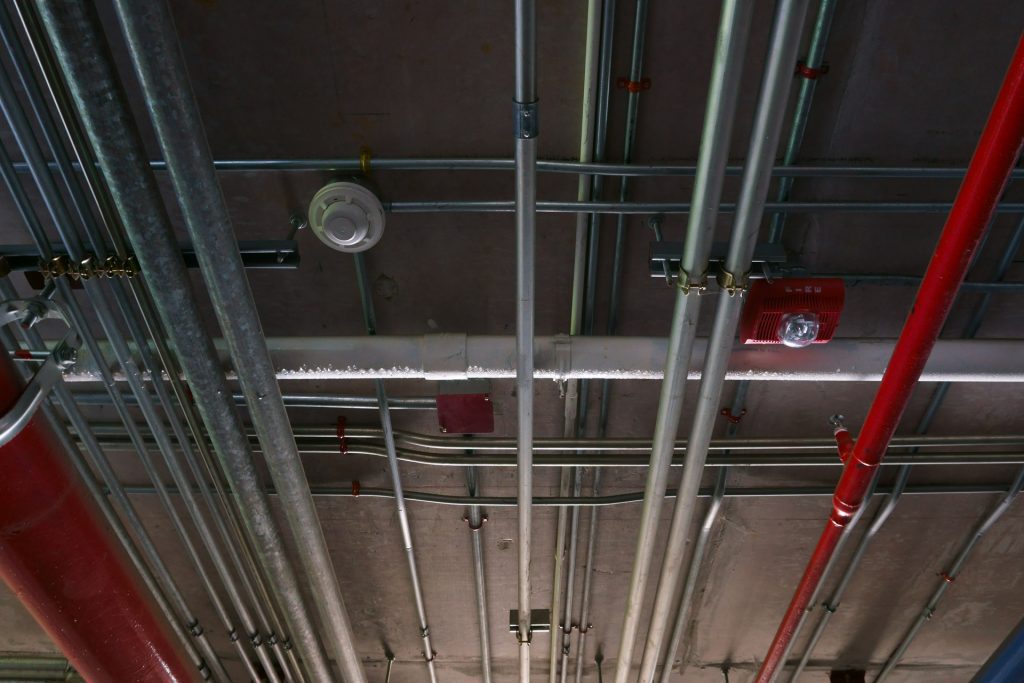
Fire protection is just as important. Depending on the size and contents of each store, it can include portable extinguishers, hose reels, detection and alarm, and adequate separation distances between buildings. Our fire fighting and safety specialists help align the storage layout with Civil Defense expectations from the start, rather than correcting it after an inspection.
Security and inventory control
Construction materials, tools and copper cable are attractive targets for theft. Good storage design combines physical and electronic measures:
- Perimeter fencing and lockable gates around laydown yards.
- Controlled entry to stores, with sign-in and material issue procedures.
- CCTV coverage of gates, yards and store entrances, supported by low current systems such as access control and site networks.
- Clear bin locations, labelling and a simple inventory system so storekeepers always know what is on site.
For a deeper look at surveillance and access systems, read our guide to construction site security and CCTV.
Rent, buy or build?
The right approach depends on duration and reuse. Short projects often favour rented containers or fabric structures. Longer programmes, or contractors who plan to move the structure to another site, may benefit from purchasing modular or steel-framed stores. Our article on modular and prefabricated site buildings compares these options in more detail. Where storage needs are large, BoldTarget draws on its warehouse construction experience to deliver efficient, robust structures that serve the project from mobilization to handover.
How BoldTarget delivers temporary storage
As a general contractor and MEP contractor based in Khobar, BoldTarget plans storage as an integrated part of the TCF rather than a standalone purchase. Our approach covers site assessment, layout, structure selection, slabs and foundations, MEP services, fire protection and security, followed by maintenance during the project and orderly demobilization at the end. You can see how we bring these elements together on our temporary construction facility project in Saudi Arabia.
Plan your site storage with BoldTarget
If you are preparing to mobilize a project in Khobar, Dammam, Jubail, Riyadh or elsewhere in the Kingdom, early planning of stores and laydown areas will save time and money. Explore our TCF services or contact BoldTarget to discuss the storage, utilities and security your site needs.
Frequently Asked Questions
What types of temporary warehouses are used on construction sites?
Common options are steel-framed fabric structures, modular container stores, light steel sheds and compact pre-engineered buildings, supported by shaded canopies and open laydown yards for bulky materials.
Do temporary site stores in Saudi Arabia need air conditioning?
Not always, but stores holding electronics, batteries, adhesives, coatings or control equipment often need insulation plus ventilation or air conditioning to meet manufacturer storage conditions in the summer heat.
Where should laydown areas be placed on a site?
Close to the site gate and main workfaces, on firm and well-drained ground, away from accommodation and offices, with clear routes for cranes and trucks and space to expand later in the project.
Can BoldTarget supply temporary storage as part of a full TCF package?
Yes. BoldTarget plans and builds temporary stores and laydown yards together with offices, accommodation, MEP services, fire protection and security as one integrated TCF scope.
Related TCF Guides
- Construction Site Security & CCTV in Saudi Arabia: A Practical Guide
- Solar Powered Site Facilities in Saudi Arabia: Sustainable TCF
- Turnkey TCF Design and Build in Saudi Arabia: Single-Point Delivery
- Temporary Construction Facility Services Saudi Arabia: Full Guide
- Explore our Temporary Construction Facilities (TCF) services