Energy Efficiency Through MEP Maintenance
Improving Building Performance Through Efficient Mechanical, Electrical, and Plumbing Systems
Energy efficiency has become a major priority for modern buildings and infrastructure projects worldwide. Commercial facilities, industrial plants, office buildings, and residential complexes consume large amounts of energy to support heating, cooling, lighting, water supply, and building operations.
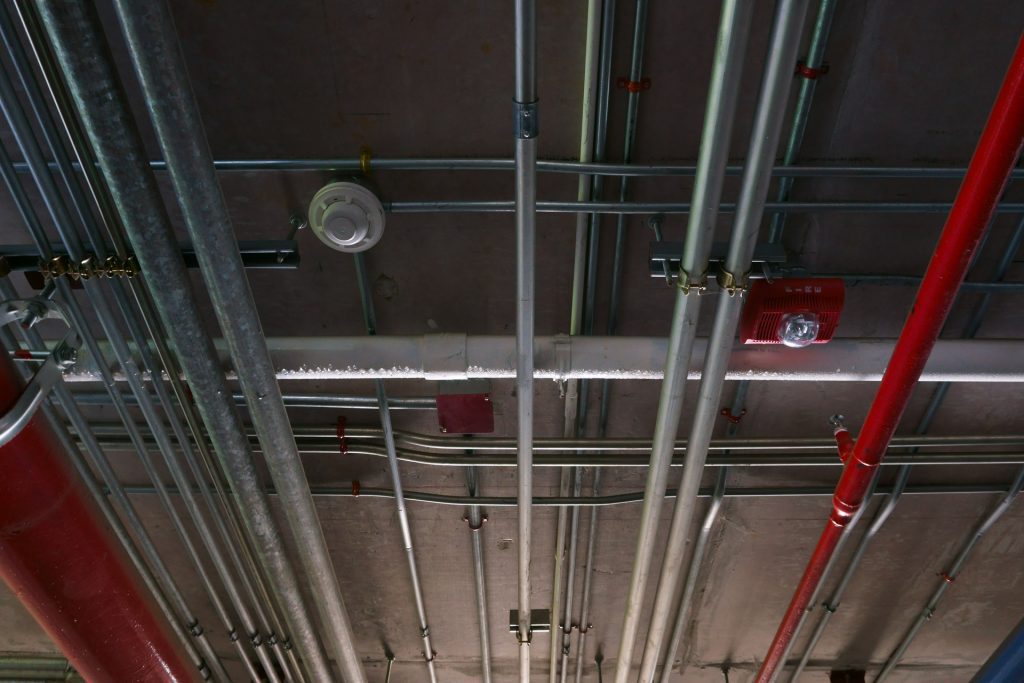
Mechanical, electrical, and plumbing (MEP) systems play a critical role in determining how efficiently a building uses energy. Without proper maintenance, these systems may operate inefficiently, resulting in increased energy consumption, higher operational costs, and reduced equipment lifespan.
Professional MEP maintenance helps ensure building systems operate at peak efficiency while reducing unnecessary energy waste.
Through proper maintenance of HVAC systems, electrical infrastructure, and plumbing networks, facilities can significantly improve energy efficiency, sustainability, and long-term operational performance.
Why Energy Efficiency Is Important for Modern Buildings
Energy-efficient buildings offer multiple benefits for property owners, businesses, and facility managers.
Poorly maintained building systems often lead to excessive energy consumption and increased operational costs.
Common causes of energy inefficiency include:
• Inefficient HVAC systems
• Poor ventilation and air distribution
• Electrical system losses
• Water system inefficiencies
• Equipment operating beyond optimal capacity
Improving energy efficiency through proper maintenance can provide several benefits:
✔ Reduced energy consumption
✔ Lower operational costs
✔ Improved building performance
✔ Extended equipment lifespan
✔ Reduced environmental impact
These benefits make MEP maintenance a key strategy for sustainable building management.
How MEP Maintenance Improves Energy Efficiency
Regular maintenance of mechanical, electrical, and plumbing systems helps identify inefficiencies and ensure equipment operates optimally.
Proper MEP maintenance improves energy efficiency by:
• Maintaining optimal HVAC system performance
• Preventing electrical energy losses
• Improving water system efficiency
• Reducing equipment downtime
• Enhancing overall building performance
These improvements help reduce energy consumption while maintaining comfortable indoor environments.
HVAC Maintenance and Energy Efficiency
Heating, ventilation, and air conditioning (HVAC) systems are among the largest energy consumers in modern buildings.
Poor HVAC performance can significantly increase energy consumption.
Regular HVAC maintenance includes:
✔ Cleaning and servicing air filters
✔ Inspecting air handling units (AHU)
✔ Checking refrigerant levels
✔ Optimizing airflow distribution
✔ Calibrating temperature control systems
These maintenance activities help HVAC systems operate more efficiently, reducing cooling loads and energy consumption.
Efficient HVAC systems improve indoor comfort while lowering energy costs.
Electrical System Maintenance and Energy Efficiency
Electrical infrastructure powers lighting systems, equipment, and building automation systems.
Inefficient electrical systems may result in energy losses due to outdated equipment, faulty wiring, or poor power distribution.
Electrical maintenance improves efficiency by:
✔ Inspecting electrical panels and distribution systems
✔ Identifying power losses and inefficiencies
✔ Maintaining lighting systems
✔ Upgrading to energy-efficient lighting solutions
✔ Monitoring electrical load distribution
Maintaining electrical systems ensures stable power supply and reduced energy waste.
Plumbing System Maintenance and Water Efficiency
Plumbing systems also contribute to overall building efficiency, particularly through water management.
Poor plumbing maintenance can cause leaks, pressure problems, and inefficient water use.
Regular plumbing maintenance includes:
✔ Leak detection and pipe inspection
✔ Pump system maintenance
✔ Drainage system cleaning
✔ Water pressure optimization
✔ Maintenance of water storage systems
Efficient plumbing systems reduce water waste and energy consumption associated with water pumping and heating.
Preventive Maintenance Programs for Energy Efficiency
Preventive maintenance is one of the most effective ways to maintain energy efficiency in buildings.
Preventive maintenance programs typically include:
✔ Scheduled equipment inspections
✔ System performance monitoring
✔ Early detection of inefficiencies
✔ Regular equipment servicing
These programs ensure that building systems operate efficiently and avoid unexpected failures.
Preventive maintenance helps facilities reduce long-term energy consumption and operational costs.
Smart Technologies and Energy Monitoring
Modern buildings increasingly use smart monitoring systems to track energy usage and system performance.
These technologies include:
• Energy monitoring systems
• Smart HVAC controls
• Automated lighting systems
• Building management systems (BMS)
Smart technologies allow facility managers to monitor energy consumption in real time and make adjustments to improve efficiency.
Sustainability and Green Building Practices
Energy-efficient buildings are an essential part of global sustainability efforts.
By improving energy efficiency through MEP maintenance, buildings can contribute to:
✔ Reduced carbon emissions
✔ Lower energy consumption
✔ Sustainable infrastructure development
✔ Compliance with environmental regulations
Sustainable building practices also support long-term environmental protection and resource conservation.
Benefits of Energy-Efficient Building Maintenance
Energy-efficient MEP maintenance provides several long-term benefits for property owners and facility managers.
These include:
• Lower energy bills
• Improved building performance
• Reduced equipment wear and tear
• Longer system lifespan
• Increased property value
These benefits make energy-efficient maintenance an essential component of modern facility management.
Future Trends in Energy-Efficient Building Systems
Building technologies continue to evolve with a growing focus on sustainability and energy efficiency.
Future developments may include:
• Smart building automation systems
• Advanced HVAC energy optimization
• Renewable energy integration
• Predictive maintenance technologies
• Artificial intelligence in building management
These technologies will help buildings operate more efficiently while reducing environmental impact.
Achieving Energy Efficiency Through MEP Maintenance
Energy efficiency has become an essential objective for modern buildings and infrastructure systems.
Regular maintenance of mechanical, electrical, and plumbing systems helps ensure that building infrastructure operates efficiently while minimizing energy waste.
Through proper HVAC maintenance, electrical system optimization, and plumbing efficiency improvements, buildings can achieve significant energy savings and improved operational performance.
Energy-efficient MEP maintenance not only reduces operational costs but also supports sustainable infrastructure development and long-term building performance.
As buildings become more advanced and energy demands continue to grow, professional MEP maintenance will remain a key strategy for improving energy efficiency in modern facilities.