Why Warehouses in Saudi Arabia Are Upgrading MEP Systems
Introduction
Warehousing and logistics in Saudi Arabia are undergoing a massive transformation. Driven by e-commerce growth, industrial expansion, and Vision 2030 initiatives, the demand for modern, high-performance warehouses has never been higher.
Recent reports show that warehouse occupancy rates in major cities like Riyadh and Jeddah have reached nearly 97–98%, highlighting the intense demand for logistics space and the need for more efficient, high-quality facilities.
To stay competitive, warehouse operators are increasingly upgrading their MEP systems (Mechanical, Electrical, and Plumbing). These upgrades are no longer optional—they are essential for efficiency, safety, scalability, and compliance.
The Evolution of Warehousing in Saudi Arabia
From Storage to Smart Logistics Hubs
Traditionally, warehouses were simple storage facilities. Today, they are:
-
High-tech distribution centers
-
Automated fulfillment hubs
-
Temperature-controlled storage facilities
-
Smart logistics platforms
The rise of e-commerce and last-mile delivery has pushed warehouses to adopt automation, AI, and real-time inventory systems.
This transformation requires advanced MEP infrastructure capable of supporting:
-
Continuous operations
-
High energy demand
-
Smart monitoring systems
What Are MEP Systems in Warehouses?
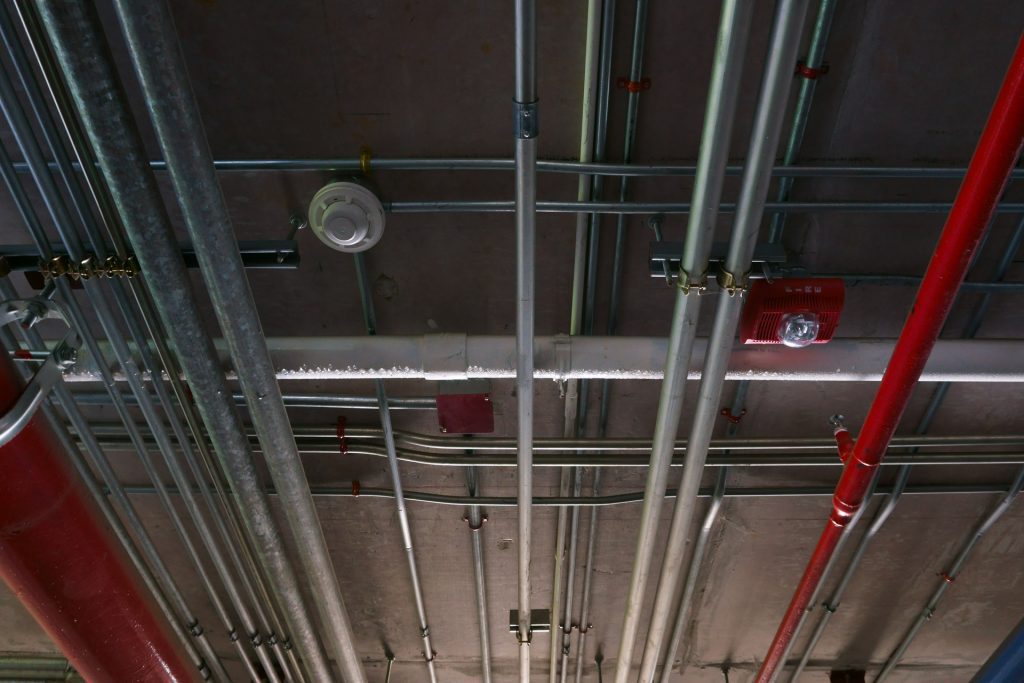
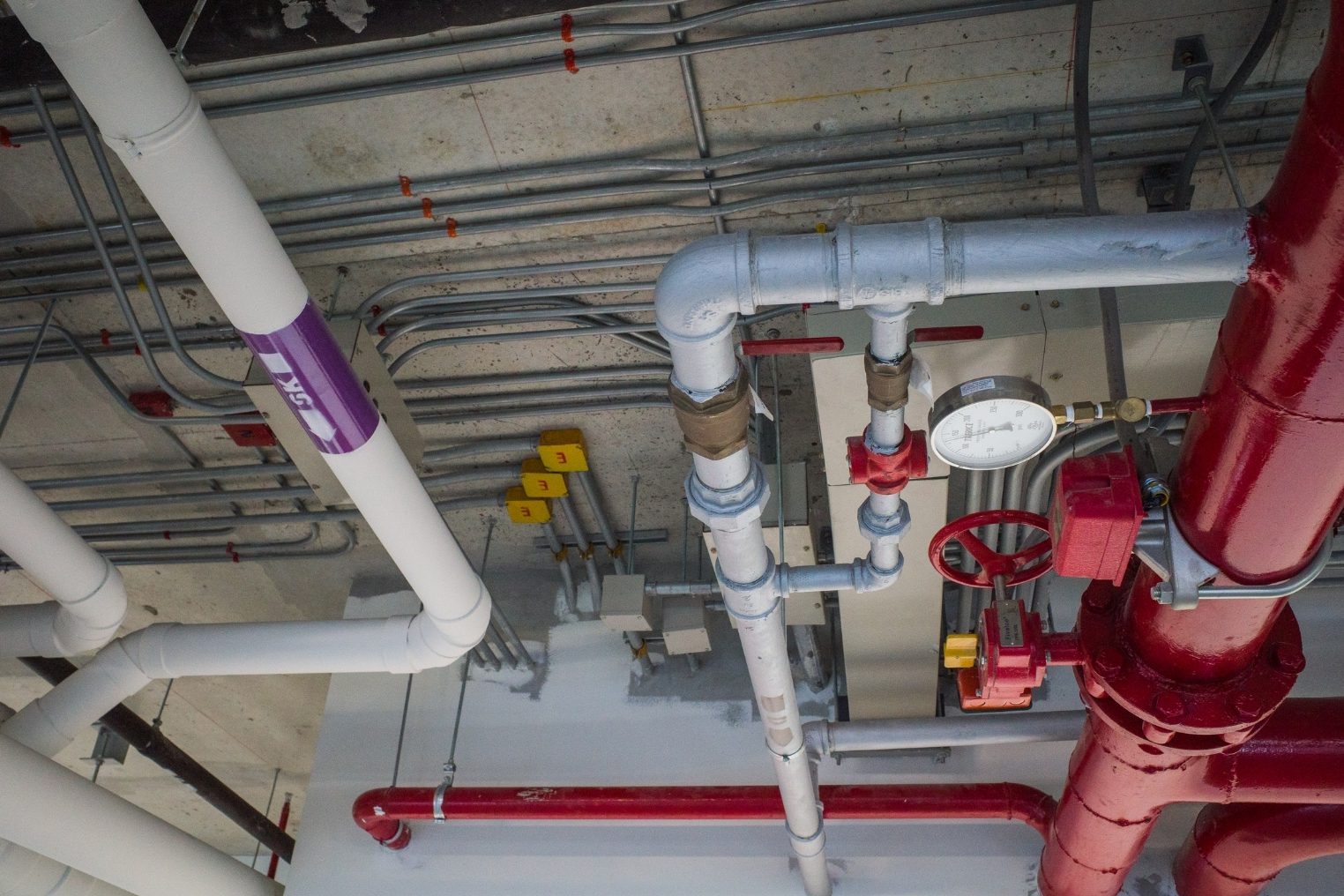
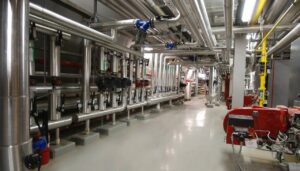
MEP systems are the operational backbone of any warehouse:
Mechanical Systems
-
HVAC and ventilation
-
Cooling systems for cold storage
-
Smoke extraction systems
Electrical Systems
-
Power distribution
-
Lighting systems
-
Backup generators and UPS
Plumbing Systems
-
Water supply and drainage
-
Firefighting systems
-
Industrial water systems
When integrated properly, these systems ensure efficiency, safety, and sustainability.
Key Reasons Warehouses Are Upgrading MEP Systems
1. Rapid Growth of E-Commerce and Logistics
Saudi Arabia’s logistics sector is expanding rapidly, driven by:
-
Online retail growth
-
Increased imports and exports
-
Government investment in infrastructure
Warehouses must now handle:
-
Faster order processing
-
Higher throughput
-
Real-time tracking
This requires advanced electrical and automation systems, as well as reliable HVAC and cooling.
2. Rising Energy Costs and Efficiency Demands
Energy consumption is one of the biggest operational costs for warehouses.
Modern MEP upgrades focus on:
-
Energy-efficient HVAC systems
-
LED lighting and smart controls
-
Optimized power distribution
Upgraded systems significantly reduce utility costs and improve efficiency.
For example, HVAC optimization in a warehouse project reduced energy costs by up to 18%, demonstrating the financial benefits of upgrading.
3. Compliance with Saudi Regulations
Warehouse operators must comply with strict regulations, including:
-
Saudi Building Code (SBC)
-
Civil Defense fire safety requirements
-
Environmental regulations
Modern MEP systems ensure:
-
Fire alarm and sprinkler integration
-
Emergency lighting systems
-
Safe electrical infrastructure
Compliance is not just about safety—it’s essential for approvals, insurance, and operation.
4. Demand for Cold Storage and Specialized Facilities
Cold chain logistics is growing rapidly in Saudi Arabia, especially for:
-
Food storage
-
Pharmaceuticals
-
Chemicals
This requires:
-
Advanced HVAC systems
-
Temperature-controlled environments
-
Backup power systems
Upgrading MEP systems ensures precise climate control and product safety.
5. Adoption of Smart Technologies and Automation
Modern warehouses are becoming “smart facilities” with:
-
IoT-enabled monitoring systems
-
Automated lighting and HVAC
-
AI-based predictive maintenance
These technologies help:
-
Reduce downtime
-
Improve efficiency
-
Optimize energy usage
AI-driven systems can reduce operational costs by 20–30% and improve reliability significantly.
6. Need for Scalability and Expansion
With warehouse demand increasing, operators need flexible infrastructure.
Upgraded MEP systems allow:
-
Easy expansion of facilities
-
Integration of new technologies
-
Adaptation to changing business needs
Scalable systems reduce the need for costly future retrofits.
7. Improved Worker Safety and Comfort
Warehouses are high-risk environments. MEP upgrades improve safety through:
-
Fire detection and suppression systems
-
Proper ventilation
-
Emergency lighting
They also enhance worker comfort, which boosts productivity.
8. Sustainability and Vision 2030 Goals
Saudi Arabia’s Vision 2030 emphasizes:
-
Energy efficiency
-
Sustainability
-
Reduced carbon footprint
Modern MEP systems support these goals by:
-
Reducing energy consumption
-
Integrating renewable energy
-
Improving water efficiency
9. Increased Competition in Logistics Sector
With high demand and rising rents, warehouse operators must stay competitive.
Modern, efficient warehouses attract:
-
High-value tenants
-
International logistics companies
-
Long-term contracts
Upgraded MEP systems provide a strong competitive advantage.
10. Integration with Smart Warehousing Technologies
Warehouses are adopting:
-
Robotics and automation systems
-
Smart inventory tracking
-
AI-based logistics optimization
These systems require:
-
Stable power supply
-
Advanced electrical infrastructure
-
Reliable cooling systems
Key MEP Upgrades in Modern Warehouses
1. Energy-Efficient HVAC Systems
-
Chilled water systems
-
Smart climate control
-
Ventilation optimization
2. Smart Electrical Systems
-
Automated lighting
-
Energy monitoring
-
Smart panels
3. Advanced Fire Protection Systems
-
Sprinkler systems
-
Fire alarms
-
Smoke extraction
4. Sustainable Plumbing Systems
-
Water-saving fixtures
-
Efficient drainage systems
-
Industrial wastewater management
Benefits of Upgrading MEP Systems
Operational Efficiency
-
Faster processes
-
Reduced downtime
Cost Savings
-
Lower energy bills
-
Reduced maintenance costs
Safety and Compliance
-
Meets regulatory standards
-
Protects workers and assets
Long-Term Investment Value
-
Increases property value
-
Attracts tenants
Challenges Without MEP Upgrades
Warehouses that fail to upgrade face:
-
High energy costs
-
Frequent system failures
-
Regulatory issues
-
Reduced competitiveness
Role of MEP Contractors in Warehouse Upgrades
Professional MEP contractors provide:
-
System design and engineering
-
Installation and commissioning
-
Maintenance and upgrades
Integrated MEP solutions ensure better coordination and performance.
Future of Warehouse MEP in Saudi Arabia
The future includes:
-
AI-powered energy management
-
Renewable energy integration
-
Smart building systems
-
Fully automated warehouses
These trends are reshaping logistics infrastructure across the Kingdom.
Warehouses in Saudi Arabia are evolving rapidly to meet the demands of a modern, technology-driven economy. Upgrading MEP systems is no longer optional—it is a strategic necessity.
From energy efficiency and regulatory compliance to automation and scalability, modern MEP systems are the foundation of successful warehouse operations.
Companies that invest in advanced MEP infrastructure today will lead the logistics sector tomorrow—delivering faster, safer, and more efficient services in an increasingly competitive market.